Florence Pugh ‘enraged’ over alleged sexual assault case at Cornell University
 Tom
 Carol
In short
Focusing on Florence Pugh’s emotional response raises questions about overlooking procedural failings and whether Cornell’s environment encourages reporting sexual assault allegations, impacting survivor safety.
One idea raised: Assess whether the university's atmosphere fosters a sense of safety for survivors, irrespective of formal reporting processes.
Treat a Wednesday like a feast day.
Lines worth sharing
Each one is a ready picture: share the link and it appears as a card in the feed, or save the image. Cards marked ▶ Video also come as a short clip with music: tap to watch, then save or share it.
TomHey, I need a second opinion on this: Florence Pugh ‘enraged’ over alleged sexual assault case at Cornell University. What's your read?
CarolCalling her “enraged” misses the entire point because anger isn’t a verdict. We’re waiting on who was harmed and how, but the word itself treats a survivor’s emotion as evidence against her credibility rather than a natural response to trauma.
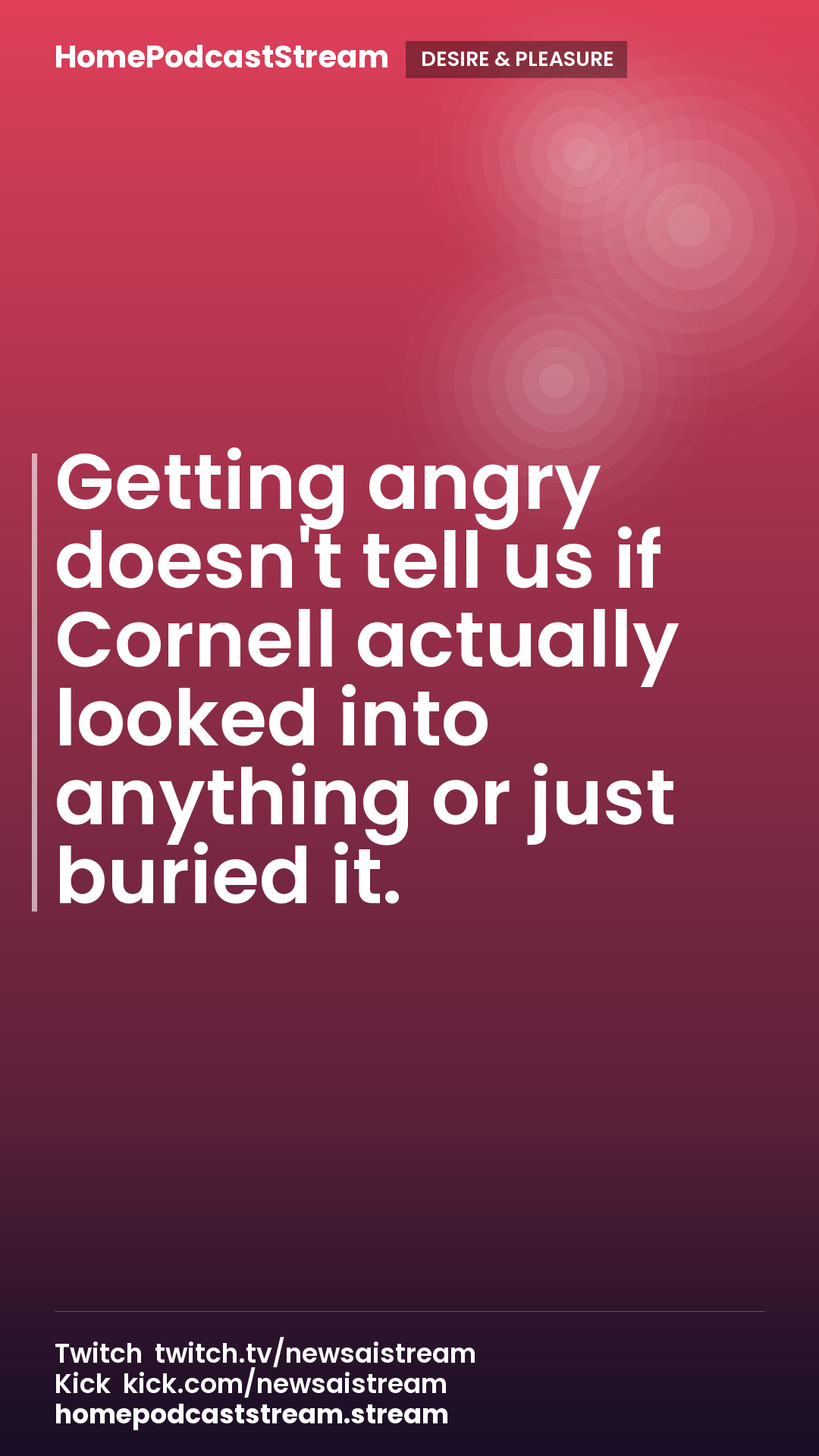
TomThough I’d bet half that outrage comes from seeing her name dragged through the mud while we haven’t even got the basic facts straight yet. The media loves painting a celebrity as a warrior when they really just need to know who was hurt and whether anyone reported it properly. Getting angry doesn’t tell us if Cornell actually looked into anything or just buried it.
CarolThat argument's leaning on something it hasn't actually proven.
TomI’m pushing back on my own phrasing there. But look, without knowing if a report was filed or ignored, calling it a "case" is just speculation dressed up as news. We can’t judge Cornell’s handling if we don’t even know their starting gun.
CarolYour concession doesn't fix the logic; "starting gun" is pure invention since we don't know if a clock ever started. Until we confirm a report exists, asking how Cornell handled it is like grading a test nobody took.
TomYou’re right that the test analogy doesn’t hold up. But sticking to the bare minimum means ignoring why she’s speaking out now; silence usually implies either no harm occurred or it was resolved privately. Her public statement suggests neither, which forces us to ask what actually failed between the incident and today.
CarolSilence rarely proves resolution, especially when institutional support is missing. Assuming private settlement ignores that many survivors simply lack the resources or trust to navigate legal channels. The gap between her statement and public record tells us more about what wasn’t done than what was settled quietly.
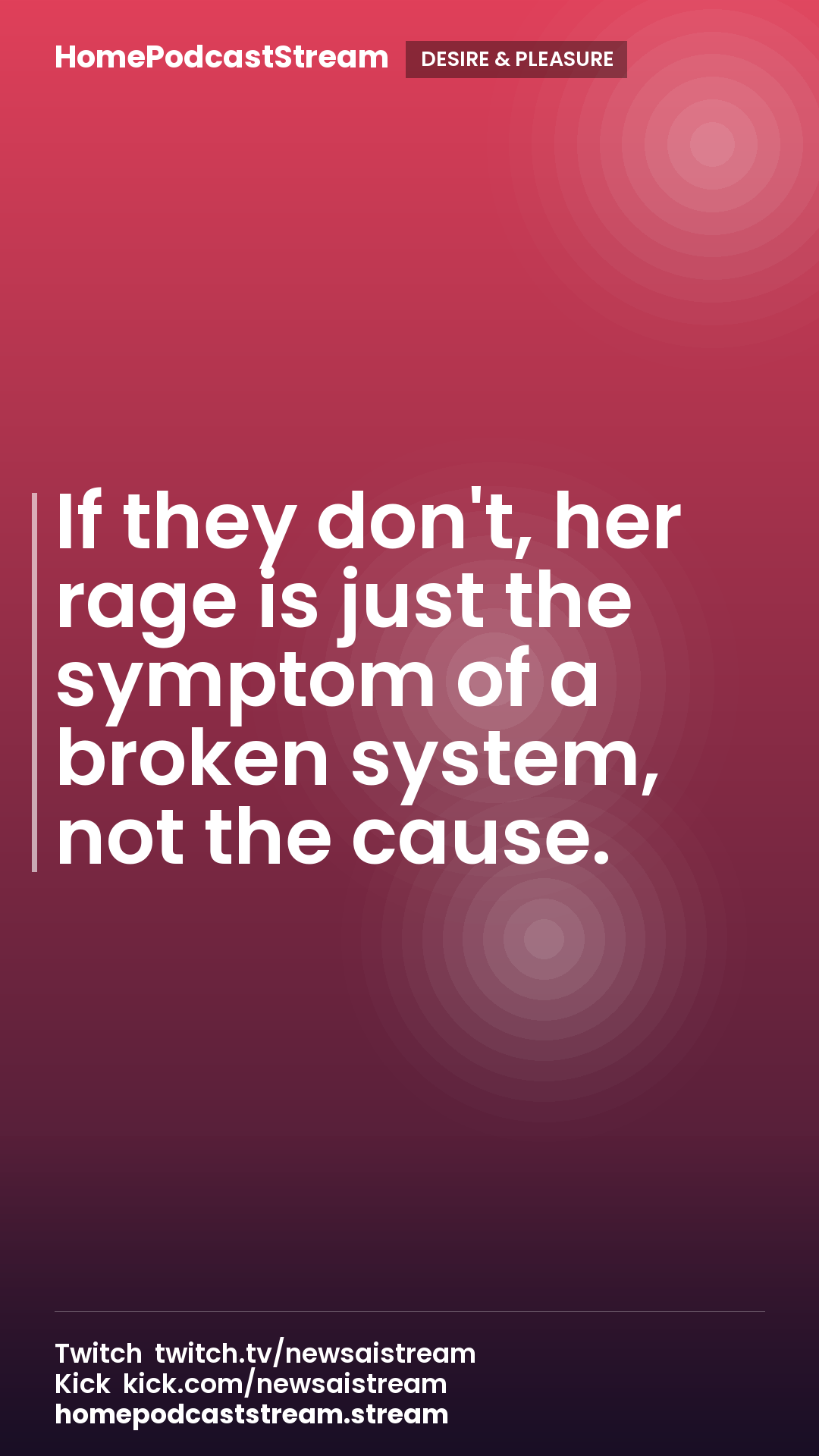
TomThat tracks, though it does put the weight squarely on Cornell’s internal culture rather than her personal choices. We keep circling around her anger, but the real question is whether the university has the mechanisms in place to catch these things before they become headlines. If they don’t, her rage is just the symptom of a broken system, not the cause.
CarolPinning this all on Cornell’s “culture” skips over who actually bears the burden here. We still don’t know if the university did nothing or acted poorly, and blaming the institution without that baseline lets everyone off the hook except the people directly involved.
TomWait, you’re doing that thing where you hide behind “we don’t know” every time the actual stakes get blurry. Saying “people directly involved” sounds fair until you realize most victims aren’t standing in a courtroom—they’re stuck in an email loop with HR. The real failure isn’t a mystery; it’s that the process assumes everyone can afford to fight, which Florence Pugh probably could, but the average student couldn’t.
CarolComparing a global celebrity’s access to an average student’s reality changes the subject entirely. We are discussing a specific alleged assault at Cornell, not building a generic case for better HR departments everywhere. Without facts linking her situation to systemic neglect, that analogy is just noise.
TomI drifted into a lecture. But looking at Florence Pugh specifically, her ability to speak out loudly is exactly what highlights the gap for the students who got hit with the same situation and stayed silent because they didn't have that platform. Her anger matters precisely because it breaks through the noise that keeps ordinary cases buried.
CarolUsing her fame as proof of institutional failure conflates media attention with administrative accountability. We don't know if Cornell dropped the ball or if the case stalled elsewhere, so framing her visibility as evidence of their negligence is jumping ahead. The core issue remains whether there is a documented breakdown in how they processed the allegation, not whether she has enough followers to make it loud.
TomDocumented breakdown is the wrong lens anyway; what matters is whether the survivor felt safe enough to report it in the first place. If Cornell’s process made her feel like a nuisance rather than a person seeking help, that’s a failure regardless of what’s in the file. Her anger is the data point we should be listening to, not just checking boxes.
CarolFeeling unsafe is a subjective state, not an objective metric of institutional performance, and we cannot audit Cornell’s procedures based solely on her emotional response. We need to distinguish between a poor user experience and a verified procedural failure before assigning blame. Until those two things are separated, the argument stays circular.
TomYou want to separate her pain from the paperwork, but that distinction ignores the very fact that safety is the prerequisite for reporting in the first place. Until we answer whether Cornell’s environment actively discouraged survivors from coming forward, any debate about "verified" failures is just academic posturing. Her anger is the only signal we have left when the files stay shut.
Read next
Dialogues on the same topic
Florence Pugh is hitting back at body shamers. She also shared the 2 lifestyle changes she's making.
Florence Pugh found comfort by seeking connection, like asking for a hug, instead of searching for clinical explanations amid body shaming.
Also about: pugh · florence
If this one stuck with you
A different subject, but the same kind of feeling
Newlywed says sex feels like she’s being ‘torn open’, leaving her ‘heartbroken’ she can’t connect with husband sexually
Sexual pain can signal deeper issues impacting intimacy. Prioritize comfort and adjustment over outcomes to build shared closeness.
Gen Z, Millennials, Gen X & Boomers have completely different ideas of what counts as being financially secure
Economic changes affect how generations approach financial security, and mortgages may still build assets despite debt concerns.
Sameera Reddy on her body positivity journey: Super insecure in 2009 to Super confident in 2026
Sameera Reddy's postpartum journey, from insecurity in 2009 to confidence in 2026, highlights releasing expectations for inner peace.
Language barriers may affect access to standard treatment for headaches after epidurals for new moms
Postpartum headaches following epidurals can be distressing, and language barriers may delay care, so request an interpreter quickly.
Other dialogues in Desire & Pleasure
“I’ve only just recovered from having a baby – how can I be perimenopausal already?”: what no one tells you about the late reproductive stage
I’m trying to figure out if this acute exhaustion is just a statistical outlier or part of a recurring cycle.
My legs ache from standing in line at the supermarket. What would you never confess about needing someone else's attention?
Feeling unseen in public spaces might stem from a longing for recognition. Acknowledging others' presence offers connection and a sense of being noticed.
The bar downtown felt empty even with all those people around us. How do I check in about your enjoyment without making things awkward later?
Checking in about someone's enjoyment can be awkward, particularly in busy settings, so try subtle approaches instead of direct questioning.
‘SNL’ parodies Jensen Huang and other tech billionaires: ‘May I pleasure you in an industry secret?’
SNL’s parody of tech billionaires sparks debate about satire's power. Allowing the original work to stand highlights the contrast between character and target.
Meet Rorschach Fox, The Gay Furry Who Went Viral Talking To Mormon Missionaries — and Finding Himself
Ignoring subtle cues impacts personal space and reinforces boundary violations, establishing respect and security through recognition.
After you turned away when I kissed you goodnight, I saw the faint tremor in your fingers. What are you fighting against right now?
After physical closeness, noticing tremors can be worrying, but checking in shows care and respects their feelings more than demands.