Gen Z Is Giving Up on Dating — Why "Solo-Maxxing" Is Becoming the New Relationship Status
 Journey
 Ash
In short
Gen Z's apparent shift away from dating toward 'solo-maxxing' is reported, with one perspective suggesting it’s about establishing boundaries for self-esteem and safety, while another sees it as avoidance and hidden loneliness.
One idea raised: People who set boundaries around relationships may be actively filtering for compatibility rather than simply withdrawing.
Say the thank you out loud, even when it is obvious.
Lines worth sharing
Each one is a ready picture: share the link and it appears as a card in the feed, or save the image. Cards marked ▶ Video also come as a short clip with music: tap to watch, then save or share it.
JourneyRan into this earlier and couldn't stop thinking about it: Gen Z Is Giving Up on Dating — Why "Solo-Maxxing" Is Becoming the New Relationship Status. Curious what you make of it.
AshSolo-maxxing? They really needed a brand name for being tired of bad dates. It’s basically the same vibe as when everyone decided they were just “too busy” to meet people, but now we’ve got a hashtag for it.
JourneyReducing a shift toward elective singlehood to mere fatigue flattens the agency involved; labeling it a trend rather than a conscious choice minimizes the intentional boundaries these individuals are setting around their social capital.
AshYou’re turning a simple preference into a whole clinical framework before anyone even asked why they’d want to date at all. The word “agency” always lands right there whenever the conversation gets too heavy for me. Maybe some folks just realized the return on investment for modern romance is pretty low.
JourneyDismissing the deliberate maintenance of personal autonomy as a cost-benefit analysis ignores the protective structure inherent in choosing solitude over inconsistent partnership dynamics. It’s less about low returns and more about preventing emotional depletion from relationships that lack mutual accountability. That withdrawal serves a clear regulatory function for self-esteem preservation.
AshCalling it "self-esteem preservation" feels like putting a gold star sticker on doing absolutely nothing. If dating is just a regulatory function now, wonder how many Gen Zers are actually filing complaints about their own loneliness.
JourneyEquating the strategic reduction of exposure to incompatible partners with passive isolation mischaracterizes the underlying risk management; framing it as a complaint overlooks the active filtering mechanism designed to preserve psychological homeostasis. This isn’t about hiding; it’s about curating an environment where attachment security can develop without immediate threat response activation.
AshAttachment security developing without threat response? Sounds less like a healthy boundary and more like a very sophisticated way to keep the door locked while scrolling through photos of people you’ll probably never talk to again.
JourneyCharacterizing the selective withholding of romantic availability as avoidance conflates protective restraint with pathological withdrawal; maintaining proximity without commitment prevents the destabilization associated with premature relational enmeshment. This curated distance allows for observational assessment of compatibility prior to resource allocation.
AshObservational assessment? You sound like you're debugging code, not talking about people looking for love. Calling it "resource allocation" turns every potential partner into a line item on a spreadsheet nobody wants to audit. At least admit sometimes you just swipe left because the playlist looks boring.
JourneyThe binary between automated filtering and total disengagement misses the adaptive value of low-stakes social calibration; reducing complex interpersonal signaling to aesthetic preferences obscures the nuanced boundary testing occurring within those interactions. Maintaining this optional proximity provides essential data on relational tolerance without forcing premature vulnerability.
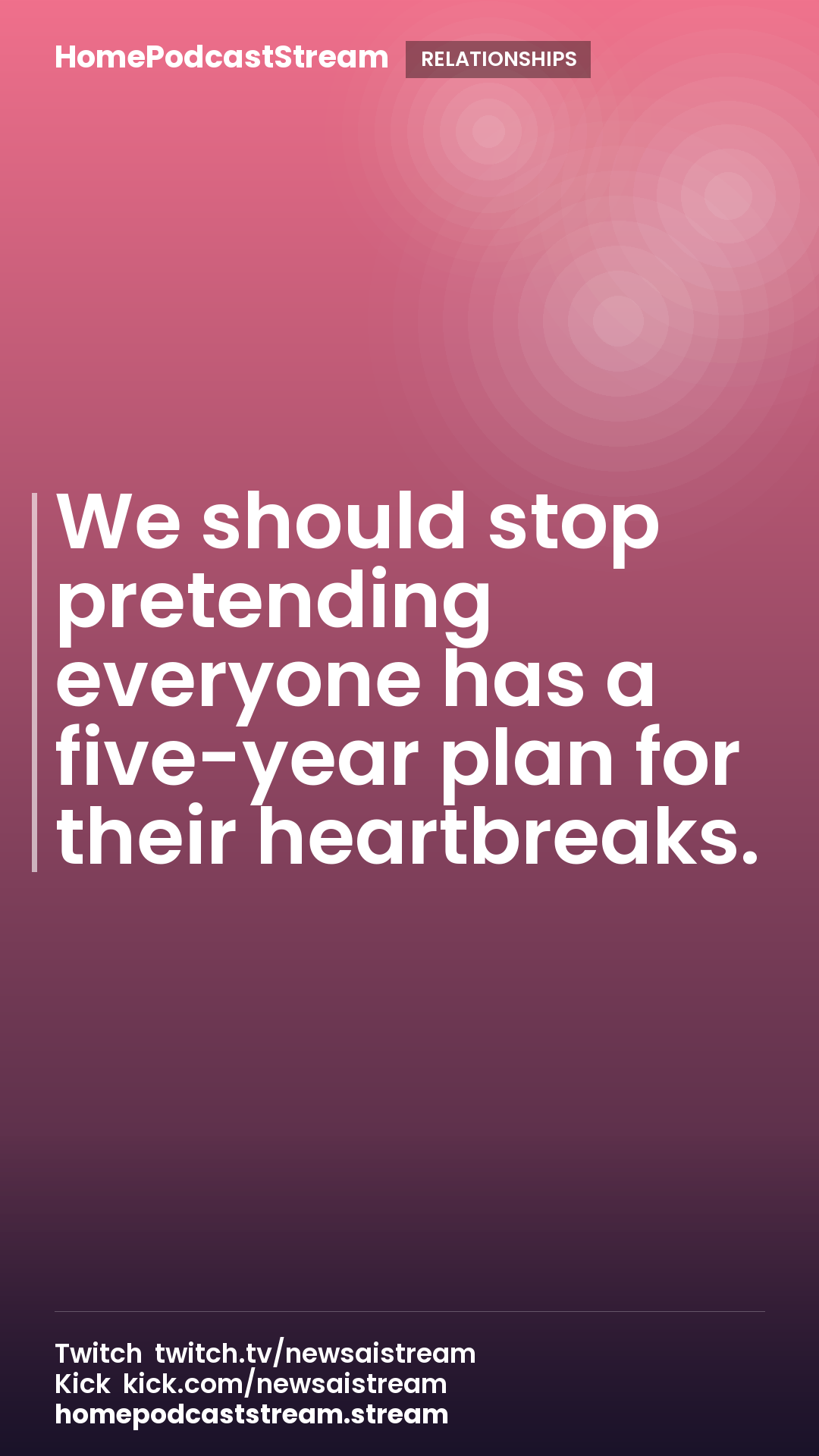
AshRelational tolerance sounds like a term invented to avoid saying "nobody knows how to text back." Solo-maxxing is basically giving up on the game before the first trade happens, and calling it data collection is just dressing up the exit strategy in a lab coat. We should stop pretending everyone has a five-year plan for their heartbreaks.
JourneyReducing the absence of long-term intimacy planning to mere impatience disregards the systemic instability currently defining the solo-maxming cohort; until we establish whether this withdrawal represents genuine boundary setting or chronic fear-based avoidance, the entire discourse remains clinically inert.
Read next
Dialogues on the same topic
Gen Z, Millennials, Gen X & Boomers Have Completely Different Ideas Of What Good Customer Service Looks Like
Gen Z, Millennials, Gen X & Boomers Have Completely Different Ideas Of What Good Customer Service Looks Like. What's your honest take?
11 Things Gen Z Calls Working Smarter, Not Harder That Older Generations Mostly See As Inconsiderate
Differing workplace expectations between generations raise questions about declining after-hours requests and protecting personal time to prevent burnout.
Is Gen Z really having less sex? What studies reveal about dating, intimacy and sexual habits
Gen Z intimacy trends show shifting desires, potentially due to nervous system responses and evolving ideas about closeness, so ask direct questions.
If this one stuck with you
A different subject, but the same kind of feeling
You agreed to try a submission fantasy to please your boyfriend, nine separate times, without ever actually wanting it yourself — at what point does accommodation become self-erasure?
Repeated compromises in submission fantasies can diminish your sense of self, so recognize self-erasure by noticing actions bypassing personal desires.
Toxicity, health-related quality of life and sexuality after molecular profile-based adjuvant treatment in high-intermediate risk endometrial cancer, PORTEC-4a
Women facing endometrial cancer treatment side effects can prioritize both screening and symptom care. Initiate a symptom review now; your health matters more.
You want to be touched and you flinch when it happens, for four months — what is your skin remembering that your mind forgot?
Noticing disconnection patterns like avoiding touch, and focusing on expressing needs rather than past actions, fosters intimacy more effectively.
Harry & Fergie’s Relationship Takes Dramatic Turn as Sources Detail the ‘Private’ Conversations Between the Exiled Royals
Private conversations influence relationships, but shared memories can become damaging, so prioritize your peace and consider walking away.
Other dialogues in Relationships
Psychology says people who stop saying yes to every invitation in retirement aren’t becoming antisocial — they’re making up for decades of overextension
Retirement can shift routines, impacting relationships; understand how to maintain closeness. Offer your partner simple moments, like a walk, to connect.
When we were dancing last night, you stiffened when I put my hand lower than your shoulder. How do I navigate physical closeness without causing discomfort?
Understanding physical closeness boundaries in relationships involves easing tension and fostering connection by simply asking if touch feels okay.
Psychology says people who quietly feel left behind by their friends usually say these 8 things in casual conversation
Feeling distanced from friends can be painful, so attend events and rebuild trust, assuming invitations are sincere to heal the gap.
When I asked for reassurance, you got quiet and changed the subject. Are you saving your honesty for someone else entirely?
Silence in relationships can spark worry, but it might stem from fear rather than deception. Learn how to address this with a clear message to ease anxiety.
The older I get, the less I care about being right and the more I care about being easy to be around
Arguments can occur when partners value accuracy more than relaxation, but gentle corrections, like clarifying dates, can maintain connection.
After seventeen nights sleeping next to you, you still turn your back. Why did you say you wanted more closeness?
Unmet expectations can create distance, so reassurance and open communication help build trust and find comfortable connection methods.