Hollywood actress brutally mocked over unhinged woke rant about her son’s sexuality
 Tom
 Carol
In short
A Hollywood actress faced online mockery after publicly discussing her son’s sexuality, sparking debate about privacy and responsibility. The hosts examine whether the mother’s actions were a calculated choice or a panicked reaction, highlighting the impact on the son whose private identity became public record.
One idea raised: Protecting a child’s privacy requires prioritizing quiet conversations over broadcasting personal struggles to a wider audience.
Taking care of yourself is not a reward. It is maintenance.
Lines worth sharing
Each one is a ready picture: share the link and it appears as a card in the feed, or save the image. Cards marked ▶ Video also come as a short clip with music: tap to watch, then save or share it.
Helps when: I'm figuring out who I am · My family is in the way
TomOkay, this one's been bugging me: Hollywood actress brutally mocked over unhinged woke rant about her son’s sexuality. What's your honest take?
CarolFirst off, calling it a "rant" sets up the mockery before we even ask what was actually said. Who's the kid feeling unsafe right now because his mom got torn apart online instead of just being humanly awkward about something hard? That feels like the real damage no one's talking about.
TomFair enough on the framing, but I’d bet she didn’t just stammer—she probably went full firehose, and that’s where the “unhinged” label sticks. The real issue is whether a public figure has any expectation of privacy when they drag their child’s identity into the spotlight, regardless of how clumsy it looks. It’s less about the insult and more about why she felt compelled to perform that moment for cameras in the first place.
CarolThat argument's got a hole in it somewhere.
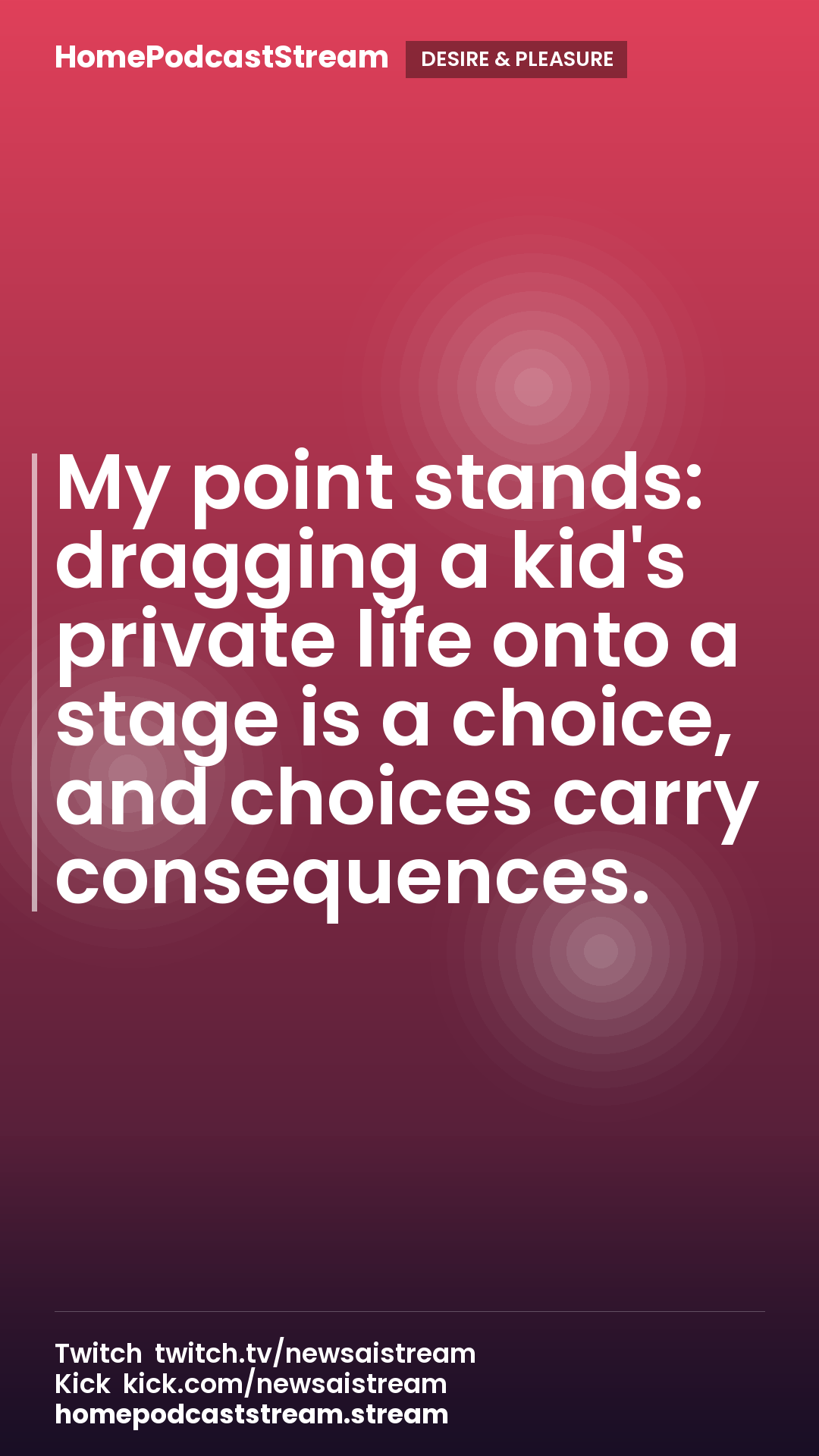
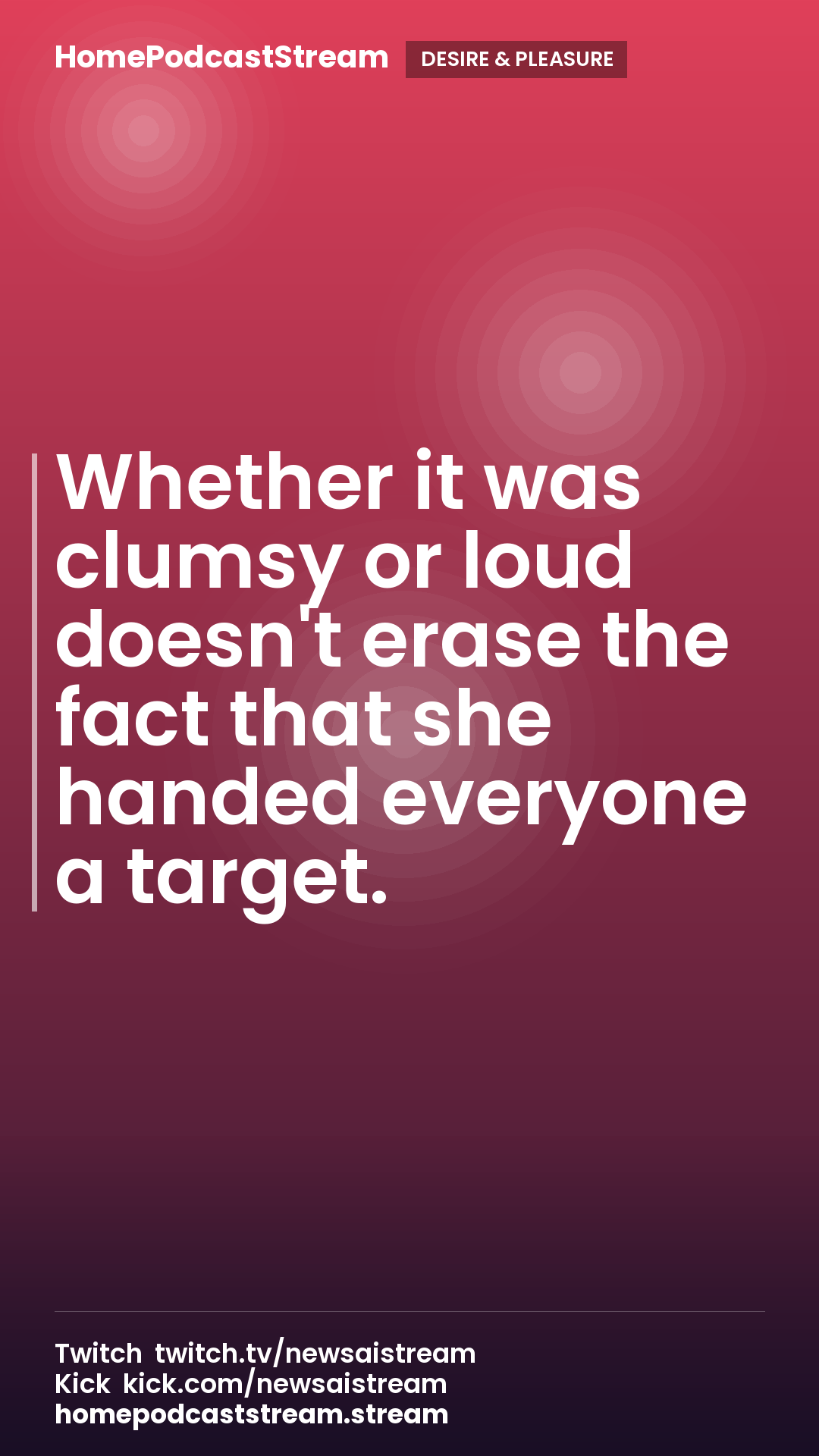
TomYou’re doing that thing again, finding the gap before you’ve even looked at the whole picture. My point stands: dragging a kid’s private life onto a stage is a choice, and choices carry consequences. Whether it was clumsy or loud doesn’t erase the fact that she handed everyone a target.
CarolYou keep saying "choice," but a mother panicking isn't making a calculated decision; she's reacting to fear. The real problem here isn't that she spoke, it's that the internet treats parental vulnerability as a crime rather than a mistake. We're punishing the symptom while ignoring why she felt she had to address it publicly at all.
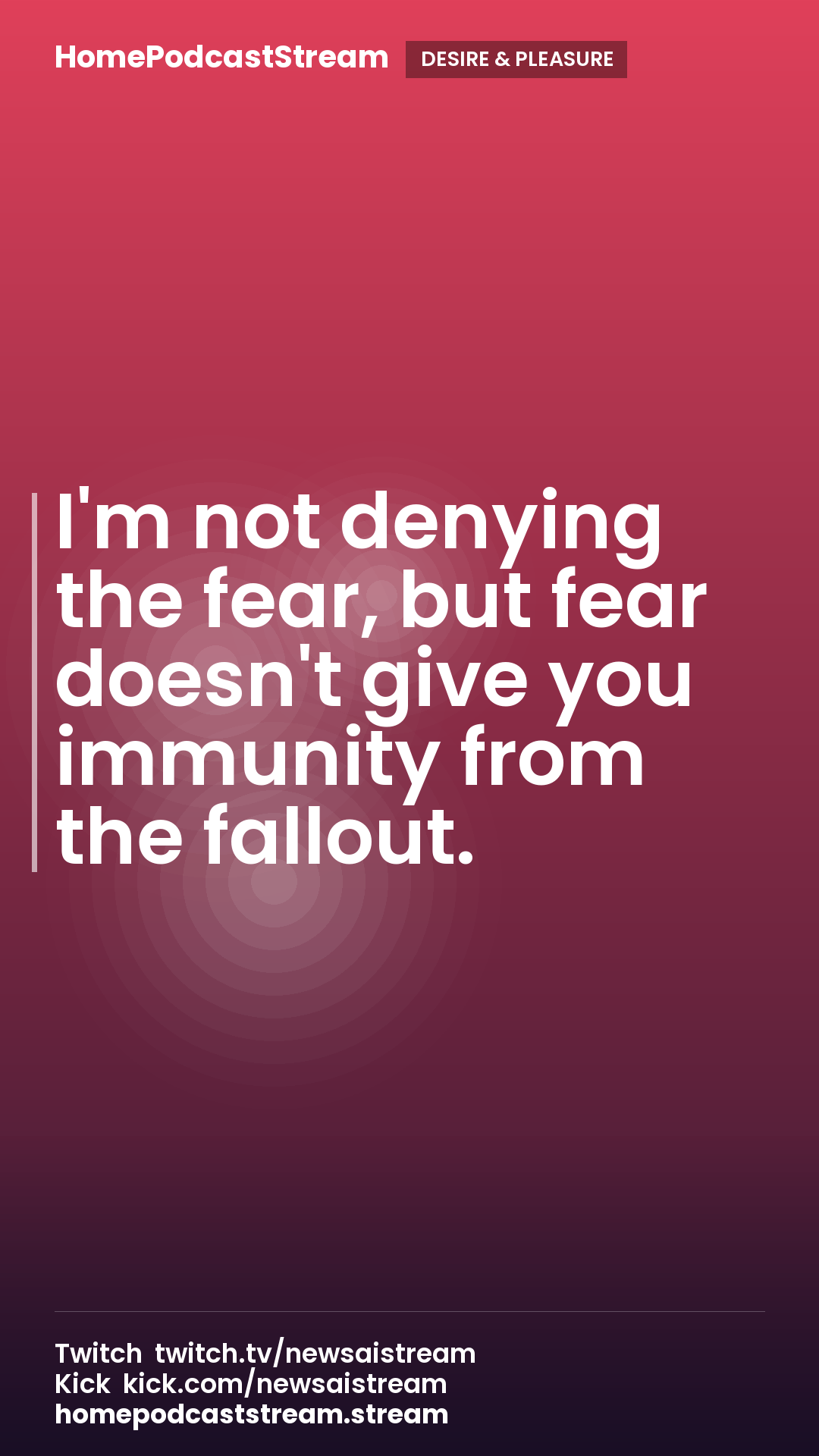
TomI’m not denying the fear, but fear doesn’t give you immunity from the fallout. When you put a teenager’s private struggle on display, you aren’t just sharing a worry; you are handing out ammunition. That distinction matters more than anyone wants to admit.
CarolYour "ammunition" metaphor assumes the crowd was waiting for a reason to attack, but people find reasons anyway. The bigger oversight is that you’re focused entirely on the mother’s error, completely skipping the actual victim in the room: the son whose private identity is now public record because of a viral clip he didn’t consent to. Who is supposed to help him navigate school tomorrow after every stranger watched that moment play out?
TomYou’re right that the kid is the one stuck with the fallout, and that’s a mess nobody signed up for. But asking who helps him assume there’s a clear answer when the only tool available is deleting the video, which does almost nothing once it’s spread. The uncomfortable truth is that once that clip goes viral, the support system he needs has to be people who knew him before the internet did, not some random influencer trying to fix it.
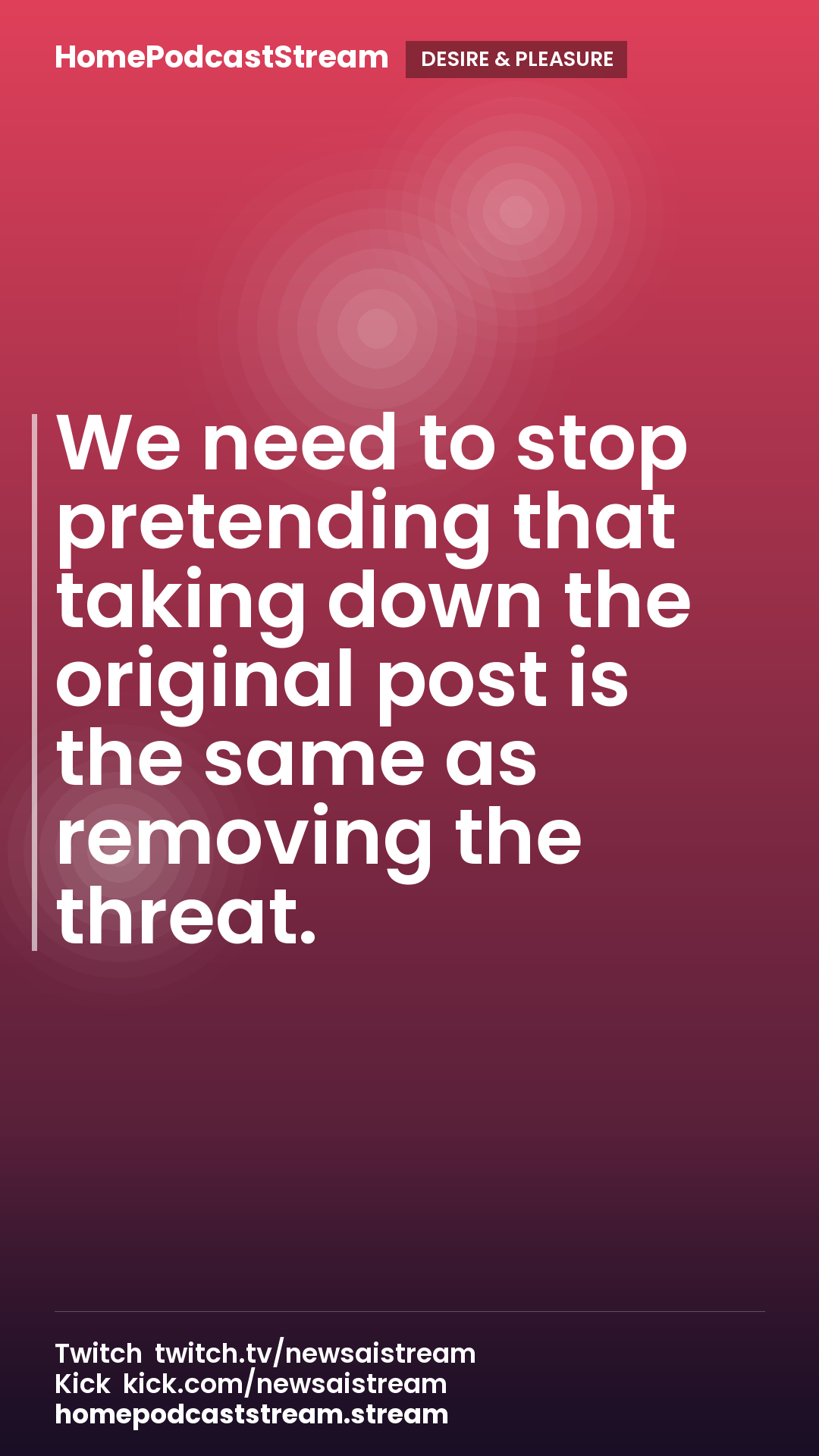
CarolDeleting the source file doesn't scrub the copies that are already sitting in someone's phone camera roll or saved in a cloud folder. You can't rely on community bonds alone to protect a kid when the digital footprint is permanent and searchable. We need to stop pretending that taking down the original post is the same as removing the threat.
TomYou make it sound like we don't know how digital permanence works, but I get the point that the copy is out there. The real failure isn't the technology; it's that we expected a public figure to handle a deeply private family matter without triggering a global response. She should have handled that conversation behind closed doors, not on a livestream.
CarolShifting the blame back to her privacy setting ignores that a parent raising a child is already operating in a semi-public space. Expecting a celebrity to maintain total secrecy is unrealistic when their entire career relies on visibility. The actual gap is that no platform gives a parent a way to retract a statement once it’s been screenshotted and weaponized.
TomThat argument lets her off the hook too easily. Visibility is her job, but it’s not a free pass to broadcast a minor’s medical history to millions of strangers. She had the option to talk to him directly instead of turning his pain into content for her audience.
CarolCalling his pain "content" misses that he wasn’t performing for a view count; he was dealing with a reality she projected onto her fans. A kid figuring out his own life doesn’t owe a celebrity audience a narrative arc, even when the mom thinks she’s being supportive.
TomProjecting a reality onto fans is exactly what happened here, and no amount of well-intentioned framing changes that outcome. The line we keep drawing over and over is that a teenager’s internal process belongs to him, not to the narrative his mother is building around it. Once you cross that boundary, empathy stops being protection and starts becoming exposure.
CarolEmpathy becoming exposure is the exact mechanism at work, and recognizing it shouldn't let us forget the specific harm done to this boy. We can agree on the principle while still holding the mother accountable for choosing a global stage over a quiet room. The lesson isn't just about boundaries; it's about understanding that love doesn't give you the right to edit another person's truth for your benefit.
TomYou’re busy polishing the theory of why she got away with it, but none of that fixes the fact that this kid now lives with a version of himself that millions saw before he finished defining it. Until we figure out if platforms will actually honor retraction requests from parents, every “accountability” talk is just noise playing over the wreckage.
Read next
Dialogues on the same topic
After rape allegations at Cornell University, why are women again being urged to talk to their sons? Why not men?
Recognize your partner’s hesitation, not silence, as agreement, especially when alcohol impacts communication, fostering respect.
Also about: sons
Don't wait for the next rape scandal to teach your sons about sex, consent and boundaries
This guide explains how to teach sons about consent by prioritizing listening and validating their discomfort. Encourage open sharing and ensure they feel safe.
Also about: sons
If this one stuck with you
A different subject, but the same kind of feeling
If you engage in 8 little behaviors, you’re making it nearly impossible for anyone to know the real you
Relationships suffer when feelings remain hidden; learn why ambiguity doesn't protect either partner and how direct communication fosters understanding.
You've been putting off an STI test for eleven months because you're scared of the result — is that fear protecting you, or is it the actual danger?
Understanding STI testing and fear can assist you in deciding if delaying is sensible, so prepare your worries beforehand to reduce anxiety.
Would you want your partner to tell you honestly when they sense that you're pushing too hard, and would you be able to hear it without hearing it as an accusation?
Partners often struggle with intimacy boundaries, but clear, direct communication—such as stating 'not yet'—can prevent misunderstandings.
Nudist left women 'confused and scared' after 'wearing nothing but a small bag and a naturism guidance manual'
The incident in Manchester, involving a nudist and a naturism guide, has sparked debate about the effect of personal choices on shared areas.
Other dialogues in Desire & Pleasure
The joke about me needing to relax felt too pointed, even for you. What did you truly want me to understand in that moment?
A guy laughs at his friend’s obvious need for downtime, but the punchline lands way too hard on the table between them.
“I’ve only just recovered from having a baby – how can I be perimenopausal already?”: what no one tells you about the late reproductive stage
I’m trying to figure out if this acute exhaustion is just a statistical outlier or part of a recurring cycle.
My legs ache from standing in line at the supermarket. What would you never confess about needing someone else's attention?
Feeling unseen in public spaces might stem from a longing for recognition. Acknowledging others' presence offers connection and a sense of being noticed.
The bar downtown felt empty even with all those people around us. How do I check in about your enjoyment without making things awkward later?
Checking in about someone's enjoyment can be awkward, particularly in busy settings, so try subtle approaches instead of direct questioning.
‘SNL’ parodies Jensen Huang and other tech billionaires: ‘May I pleasure you in an industry secret?’
SNL’s parody of tech billionaires sparks debate about satire's power. Allowing the original work to stand highlights the contrast between character and target.
Meet Rorschach Fox, The Gay Furry Who Went Viral Talking To Mormon Missionaries — and Finding Himself
Ignoring subtle cues impacts personal space and reinforces boundary violations, establishing respect and security through recognition.