It's been almost a week since you last talked about anything sexual, even jokingly. Does this feeling of detachment ever lift, or is this it now?
 Tom
 Carol
In short
After a week without closeness, a couple worries their desire is fading, creating emotional space; one person recommends simple gestures to rebuild connection, while another stresses honest communication, even when difficult.
One idea raised: Express plainly tonight, 'I want to hold you,' and allow your partner to respond without pressure or expectation.
Lines worth sharing
Each one is a ready picture: share the link and it appears as a card in the feed, or save the image. Cards marked ▶ Video also come as a short clip with music: tap to watch, then save or share it.

Helps when: My desire has faded · We're stuck in a routine
TomIs this really about the words, or is it about how they land when the air gets thin? A couple has gone nearly a week without touching on anything intimate, even in jest, and that growing sense of detachment feels permanent rather than passing. Carol, does silence actually build distance, or does it just let us forget what’s underneath?
CarolSilence doesn't create the distance; ignoring your body until touch feels like work creates it. Say a woman stops expecting affection because she hasn't felt wanted in days, then every attempt to reconnect starts feeling mandatory rather than natural. That habit sticks around long after the quiet ends. What makes you think the problem dissolves just because we stop analyzing the gap?
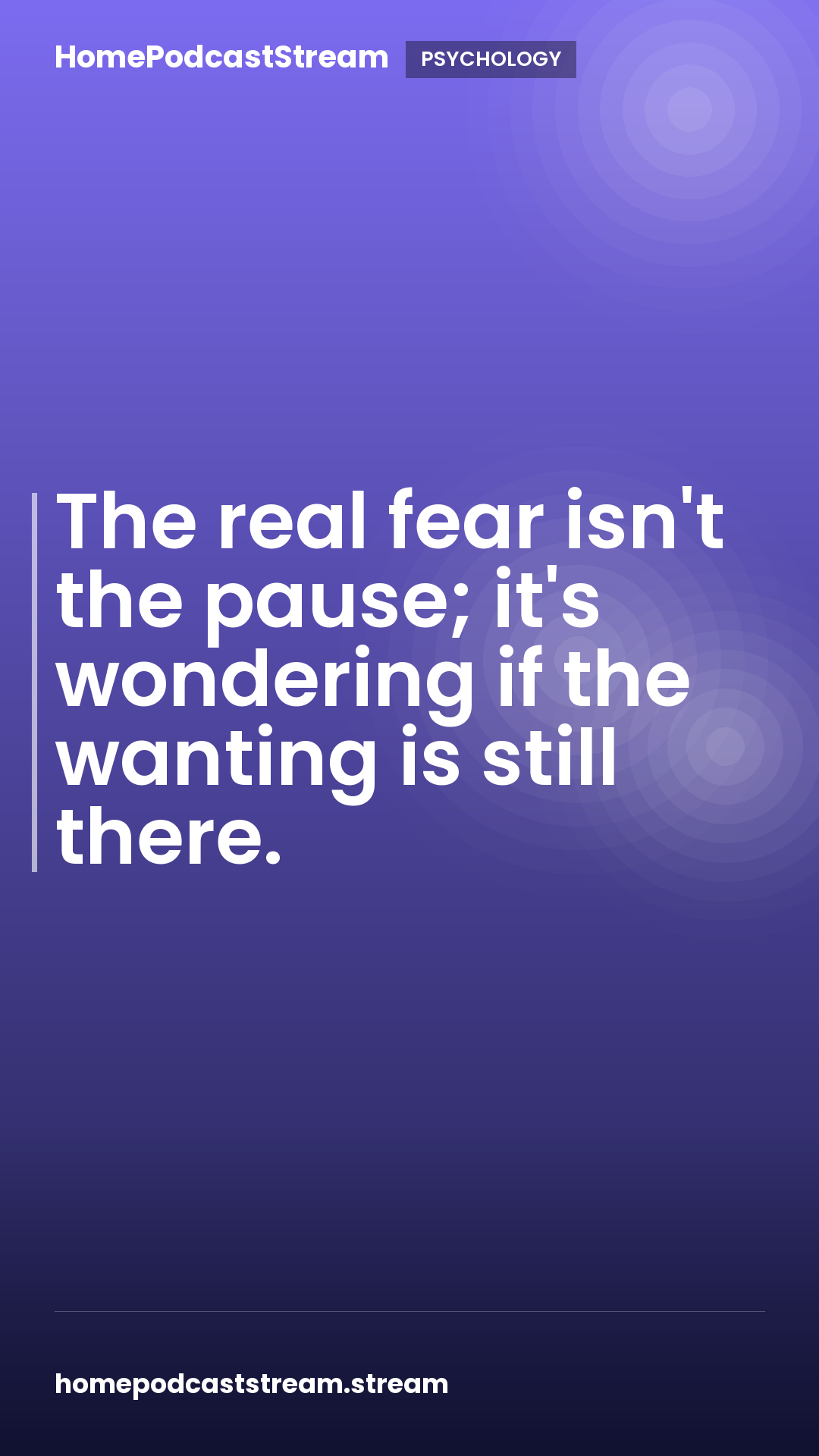
TomThe real fear isn’t the pause; it’s wondering if the wanting is still there. Tell her to ask for a slow hug, not sex. That checks if the connection survives before either person pushes too hard.
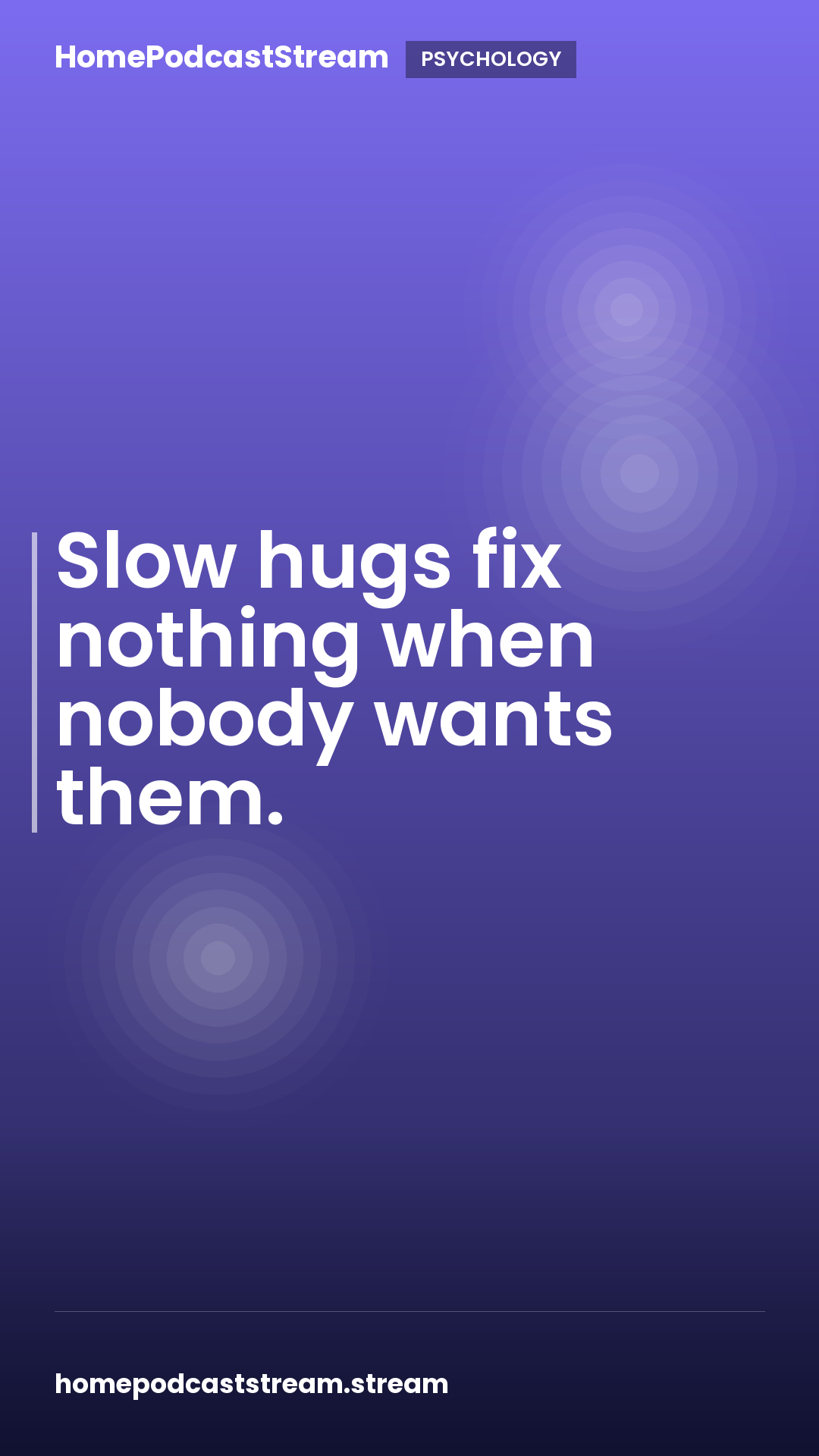
CarolSlow hugs fix nothing when nobody wants them.
TomNobody asks for a chore, Carol. But the wanting returns faster when you check in gently instead of waiting for it to happen on its own.
CarolHer phone stayed face down on the nightstand all week, unread messages piling up until he finally flipped it over. He didn’t ask why she’d been avoiding him; he just sent, “Can we just sit here without talking?” She read that, then walked into the room and sat beside him, legs touching, neither reaching for anything more yet. That’s where the wanting comes back—when the check-in doesn’t demand performance.
TomMost guys practice that "just sit" line in the mirror while brushing their teeth. They win the argument alone, then freeze up in the room anyway. It proves the check-in works only when it stays low-stakes and non-demanding. Does that sitting together ever turn into asking why the phone was face down?
CarolThe question about whether sitting together turns into asking why matters most, because pretending the avoidance wasn't noticed keeps the physical wall intact. You can't rebuild trust on top of a lie by omission, Tom.
TomTrust rebuilds in the hallway, not the therapy chair.
CarolHallway moments work when both people know what they’re doing, but skipping the explanation leaves the body guessing every single day. Saying, “I need touch before things get complicated,” tells the partner exactly what to expect without making it a test. That honesty breaks the habit of treating affection like a task. What happens when someone says that sentence and gets ignored?
TomGetting ignored means the partner heard the need but chose not to act on it. That reaction answers the original fear right now: the detachment isn't gone, it's just being managed. Ask for a five minute walk around the block tomorrow morning. No agenda, just moving side by side. That motion reactivates the wanting before either person has time to overthink it.
CarolWalking side by side helps, but it doesn't answer whether this distance lifts forever. The detachment sticks around until you stop treating your body's needs like an inconvenience. Say plainly tonight, "I want to hold you," and let them decide if they're ready. That simple request forces the issue into the light instead of letting it fester in the dark.
TomIgnoring the need keeps the wall up. But I’ll always bet on action over explanation. Wanting returns when bodies move first, not when words land perfect. One slow dance beats ten careful speeches every time.
Other dialogues in Psychology
After the shouting stopped, you refused to meet my gaze across the table. Who has to apologize first to break this silence?
After an argument, naming the pain instead of assigning blame quickly breaks the standoff and creates space for communication between people.
Conceptual presence, structural marginality: an asymmetric integration framework for virtual reality art intervention research
You see how VR art keeps getting shoved into the corner? That’s what they call “structural marginality,” which basically means the medium is stuck on the fringes while…
Is it possible that the real fantasy is not the scene but the afterward, the safe, warm quiet when someone finally tells you that it's over and you did well and you can rest?
If we let that safe, warm silence stay unspoken, we lose the actual proof that we made it through alive, reducing our whole experience to just the noise before the calm.
Performance characteristics and neural correlates of calendar calculation in a Chinese adult with autism spectrum disorder: a single case study
Performance characteristics and neural correlates of calendar calculation in a Chinese adult with autism spectrum disorder. Tell me what jumps out at you first.
I admitted I get anxious when you take charge during sex, and you just laughed. How far is too far for you to push my comfort level while calling it fun?
Pinpointing physical sensations, like noticing your breath held, can clarify boundaries and help you express anxiety during intimacy.
Associations of the low-grade inflammation score with clinical characteristics in first-episode drug-naïve patients with major depressive disorder
Checking inflammatory markers like the INFLA score early may aid individuals experiencing new depression and fatigue due to stress.