You laughed at that joke about broken vows during the wedding dance. What are you signalling with laughter in moments like those?
 Tom
 Carol
In short
Jokes about broken vows at weddings can signal pain or connection, with some seeing it as enduring discomfort and others fearing it masks distance and damages trust, so ask your partner what they found funny.
One idea raised: Ask your partner what tickled you when a joke lands, rather than waiting for them to explain why you're smiling.
Keep the ticket stubs.
Lines worth sharing
Each one is a ready picture: share the link and it appears as a card in the feed, or save the image. Cards marked ▶ Video also come as a short clip with music: tap to watch, then save or share it.
Helps when: I feel resentful or unseen
TomWhy does that memory hit right when the music swells and everyone’s smiling? Someone kept wondering what kind of signal they’re sending out with that burst of laughter while dancing past the broken vows. Carol, are you laughing because the pain finally broke loose, or just because you’ve learned how to hide?
CarolThe person isn't choosing between breaking down or hiding; they're often just trying to stay present with their partner despite the discomfort. It looks like relief, but underneath it's frequently a small act of endurance.
TomPeople usually assume that laugh is a mask covering the hurt. But staying present with your partner through that discomfort takes more work than falling apart ever could. Endurance doesn't mean the pain isn't there. It means you chose connection over escape.
CarolYou paint that endurance as this heroic choice, which makes me wonder if we’d expect every couple to white-knuckle through the honeymoon suite like it’s a marathon finish line. I pull back from that, though, because the reality is usually messier than noble silence. When that pattern repeats night after night without a single honest word exchanged, does the laughter eventually stop being about staying present and start being about keeping the distance safe?
TomThe distance thing starts creeping in around month three. That laugh stops being presence and becomes a habit. It sticks because admitting the hurt feels scarier than just going along.
CarolLauren, a physiotherapist, found herself laughing once too many times during a wedding dance while her partner watched. On the train ride home, he didn’t ask why she was smiling; he just stared at his phone until the doors opened. She looked away and pulled off her coat before reaching her stop.
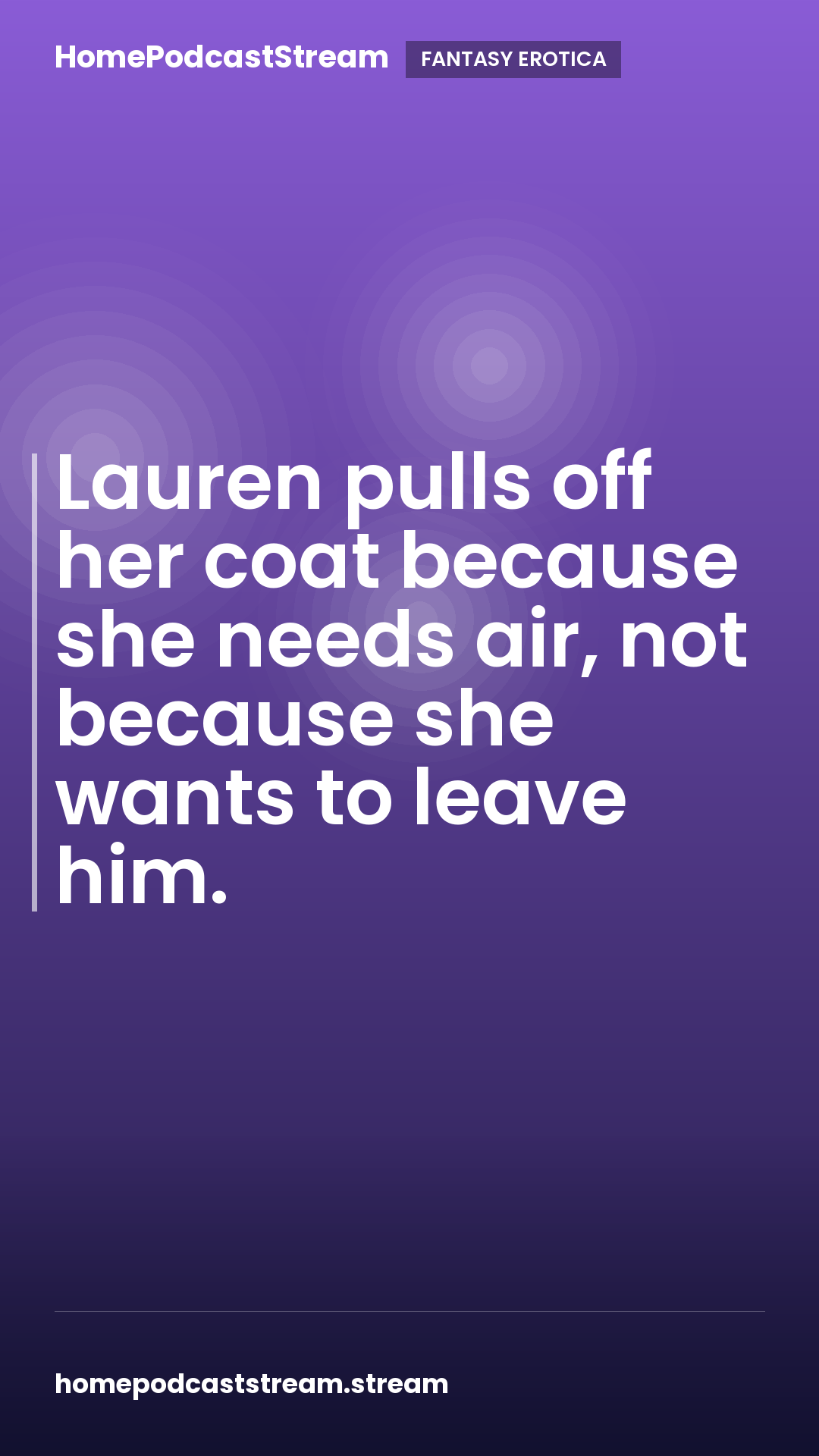
TomThe guy staring at his phone thinks he’s handling things quietly. Carol, that quietness is what really wrecks trust faster than any outburst. Lauren pulls off her coat because she needs air, not because she wants to leave him. He mistakes her need for space as confirmation she’s cold.
CarolHuh. I never realized the phone stare did that much damage.
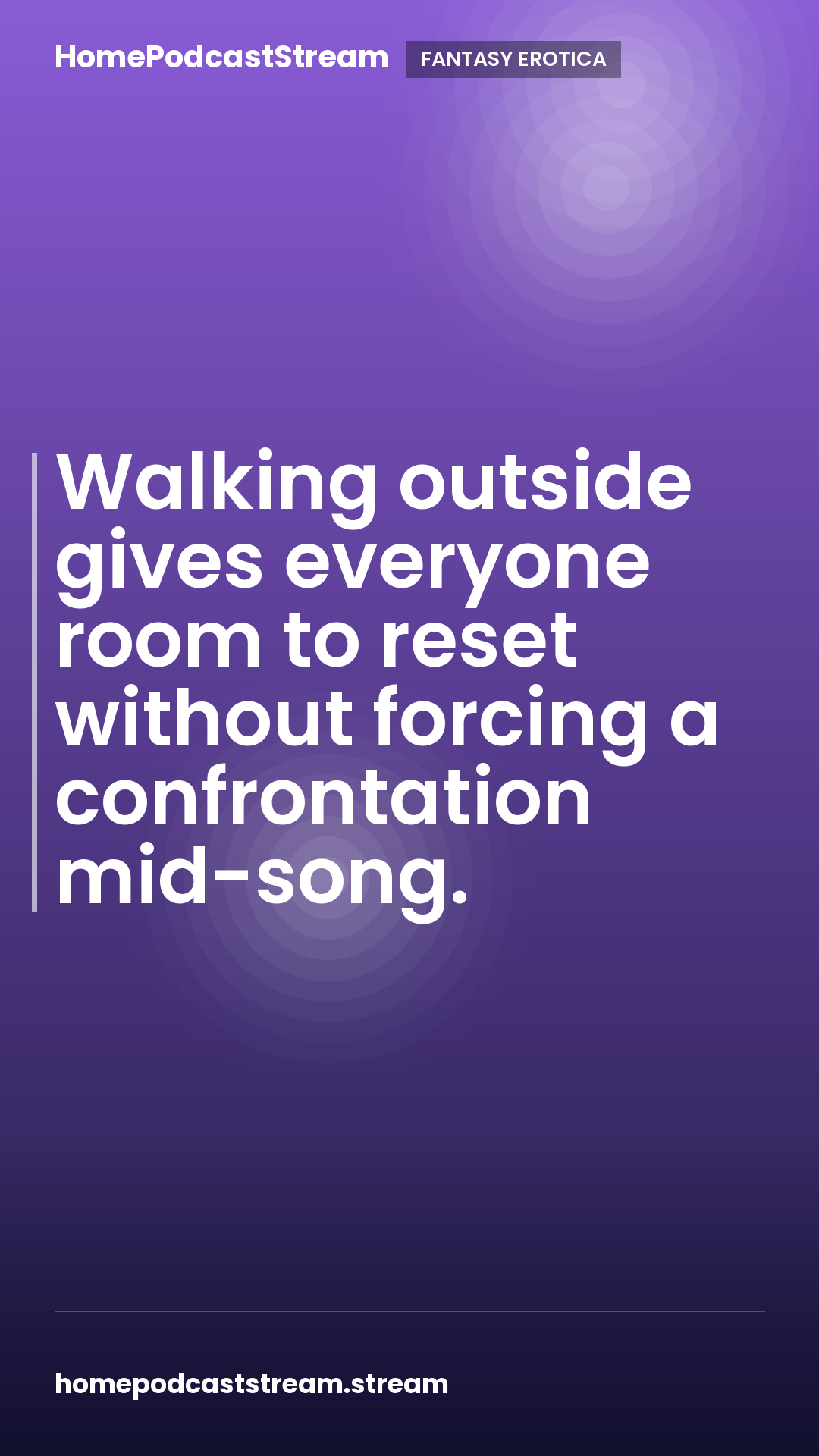
TomThe guest watching the whole exchange gets stuck carrying feelings that aren't theirs. If that same awkward vibe shows up at two different weddings in a row, step away from the dance floor entirely. Walking outside gives everyone room to reset without forcing a confrontation mid-song.
CarolTwo different weddings in a row is where the problem lives.
TomCarol, the phone stare from the train ride proves he can't even hear a normal question yet. What keeps the couple stuck after six months if nobody ever says those three words out loud?
CarolThree weeks in, the only sign that talk worked is when someone finally names the feeling instead of acting it out. You look for whether the coat stays on through dinner, not just during the train ride.
TomSix months down the line, you know it worked when the hard part isn’t avoiding each other anymore. It’s sitting at the table and saying “this still hurts” without pulling the coat back on.
CarolThat laughter signals a boundary being tested, not a secret shared. When the joke lands, watch if the partner asks what tickled you instead of waiting for you to explain why you're smiling. Naming the sting before the song ends is all it takes.
Read next
Dialogues on the same topic
Why do you laugh when I say something sincere, and could it be that sincerity makes you nervous, and that laughter is the only way you know to survive it?
Placing a ring nearby and explaining its importance reinforces its significance, fostering deeper emotional intimacy through honesty.
Also about: laughter
I started wondering about that night out three weeks ago; it's all I can think about now. When did our easy laughter shift into something else?
To understand changing relationship feelings, ask your partner about specific moments, like a strained night out, not just emotions.
Also about: laughter
Does it feel safe to be happy in your body, or does happiness feel like a setup before something goes wrong? Your face looks suspicious whenever I make you laugh.
Fear of happiness causes people to view laughter as a warning signal. Allow sincere joy to land without analysis to break this cycle.
Also about: laughter · joke
The joke about me needing to relax felt too pointed, even for you. What did you truly want me to understand in that moment?
Friendship boundaries can be tricky when sharing vulnerability. State your needs simply, allowing others to respond without pressure or feeling burdened.
Also about: joke
Other dialogues in Fantasy Erotica
You seem remarkably calm discussing those unsettling stories; does the escape into fiction now feel more comforting than confronting difficult realities?
Fiction offers solace when reality hurts, but reconnecting requires courage. A simple question about plans can test waters and build confidence.
JENNIFER L. ARMENTROUT FANS!! A Crown of Ruin Arrives in a Gorgeous Special Paperback Edition TODAY!
A year from now, those fans aren’t going to remember the price tag, they’re just gonna look at their shelves and wonder how they ever lived without holding that special…
California city legally allows polyamorous throuples and foursomes to register as partners
A California city now permits polyamorous partnerships to legally register, prompting discussion about finances and expectations beforehand.
You described the scene in excruciating detail, but left out the part where I was involved. What does that omission mean?
Omissions in traumatic memories can arise from avoidance or protection, which impacts recollection, and saying 'I don't know' may help.
What is Polyamory? Inside California City's decision to legally recognize throuples and foursomes as domes
Consider getting paperwork done to help safeguard your stake in shared housing and assets if you're involved in a polyamorous arrangement.
Your words promise tenderness, but your actions suggest distance. How do I bridge the gap between what you say and what you actually do?
Relationships falter when promises don't align with behavior. Asking 'Do you want me here?' clarifies needs and fosters connection through simple requests.