Four days since we argued about boundaries, and you still sleep with your phone on the pillow. Who decides where those lines get redrawn now?
 Jay
 Nina
In short
Arguments about boundaries around technology create tension in a relationship, particularly when one partner continues habits like keeping a phone on the pillow. Some suggest actions like putting the phone in a drawer or moving the charger can redraw lines, while others believe identifying underlying fears is key. Shared space and mutual agreement about priorities matter most.
One idea raised: Say 'Your presence here beats every notification' to prioritize connection over digital distractions.
The ghosts you meet are often more about them than you.
Lines worth sharing
Each one is a ready picture: share the link and it appears as a card in the feed, or save the image. Cards marked ▶ Video also come as a short clip with music: tap to watch, then save or share it.

Helps when: I can't say no · We just had a fight
JayIf that phone sitting right there on the pillow was described gently, it might be framed as four days after arguing about boundaries. He decides when those lines matter more than the sleep he’s skipping. Nina, whose turn is it to pick that screen off his chest?
NinaFour days isn't a boundary dispute anymore. It's a habit. The pillow becomes the third partner in that bed. Who gets to vote on that?
JayThe question is whether silence counts as consent to stay stuck. Put the phone in the drawer before lights out, every single night, until the argument loses its charge. That action redraws the line better than any negotiation ever will.
NinaAction beats negotiation, sure. But who keeps the score when the drawer stays closed?
JayKeeping score turns intimacy into a scoreboard nobody wins. Drop the tally entirely. The real move is simpler: agree that the phone goes in the drawer because the sleep matters, not to prove a point. Once the action stops being punishment, the line holds without anyone checking.
NinaHer husband moved the charger to the hallway outlet the next morning. He didn't say a thing about the boundary argument. She saw the empty space where the cable usually coiled before breakfast. That quiet shift mattered more than any long conversation could have delivered.
JayMoving the charger feels like hiding evidence instead of solving the problem. Take it all the way and he’d probably start sleeping in the car to avoid your gaze. Nina, the embarrassment of needing a break from the screen has nothing to do with how normal the behavior actually is. Separate the shame from the simple fact that phones are everywhere.
NinaPhones aren’t the problem. People are.
Jay“People” is too vague for the bedroom. You mean the device won’t yield control. Ask yourself tonight: "What does my hand reach for first?" Does the charger in the hallway change anything?
NinaNo, reaching for the screen doesn't answer why it happens. A good answer names the fear underneath. Tell me what she's avoiding by scrolling at midnight. Is it boredom, anxiety, or the day itself? Start there, not with the device. The hand follows the head. Fix the mind first, and the pillow clears itself.
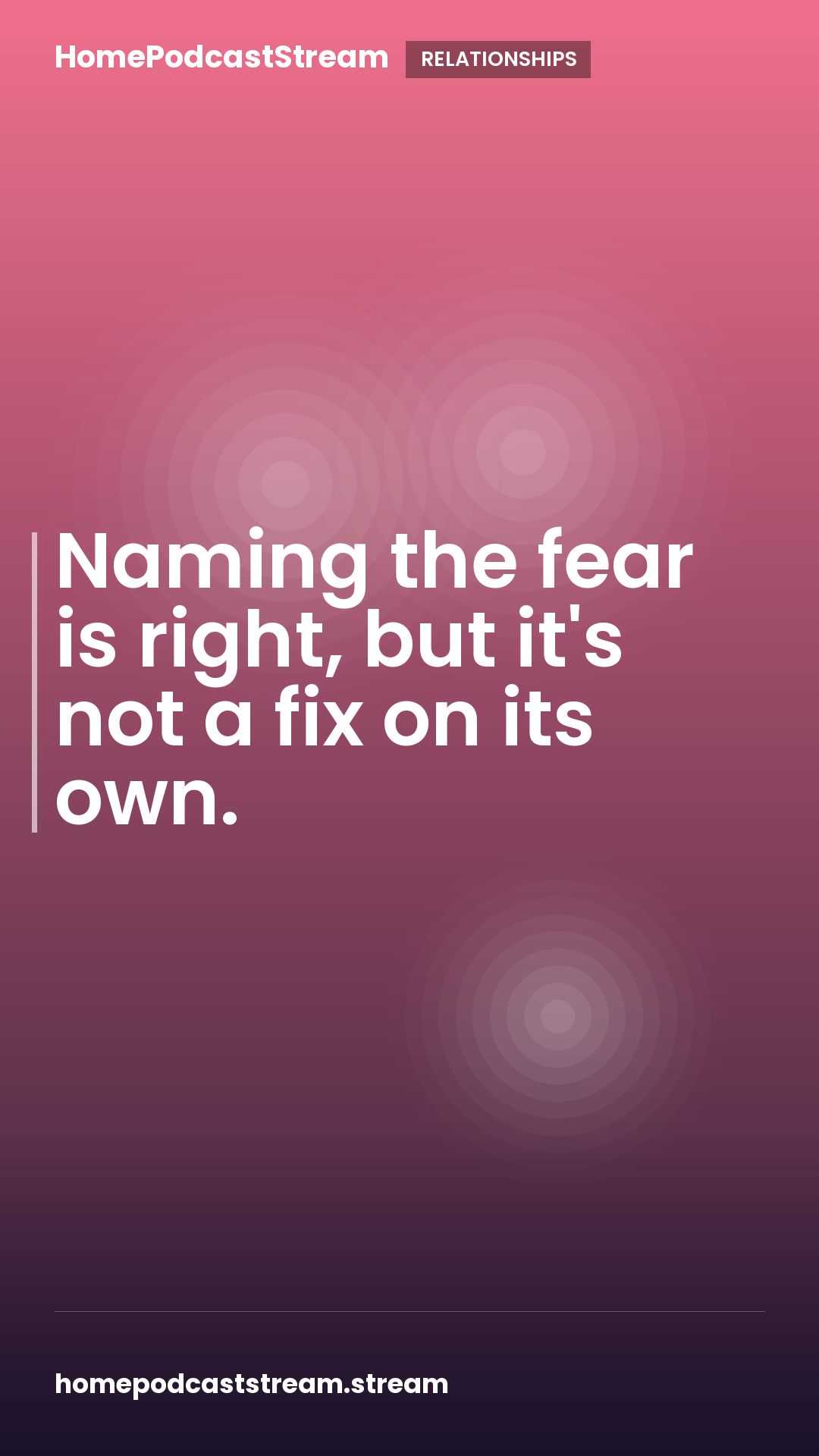
JayNaming the fear is right, but it’s not a fix on its own. Anxiety doesn’t evaporate just because you identified it. Tonight, ask her one honest question: “What are you afraid I’ll think if we stop talking?” Then listen to the actual answer, not the deflection. That’s where the real boundary lives.
NinaOne honest question misses the mark entirely. Fear isn't solved by naming it out loud. Put the phone in the kitchen along with the charging cable. Distance makes the habit impossible. That physical gap is the only boundary that sticks.
JayPhysical distance fixes the habit, not the trust between them. The line gets redrawn when both partners agree the screen loses its priority over their shared space. The sentence that does it: "Your presence here beats every notification."
Read next
Dialogues on the same topic
You still check your phone under your pillow every night. How do you stop yourself from looking for reassurance online?
Repeatedly checking your phone for reassurance can impact self-worth; try journaling before bed to identify the reasons behind this habit and build trust.
Also about: pillow · device
Gen Z, Millennials, Gen X & Boomers have completely different ideas of what counts as being financially secure
Differing ideas about financial security across generations spark debate, affecting relationships and trust between partners.
Do you believe the rush after a scene is the same thing as being happy, and if it is, why do you feel so empty and ashamed once the hormones fade and the room goes completely quiet?
Confusing arousal for contentment can cause post-sex emptiness and shame; identifying triggers helps understand and address these feelings.
Also about: charger · pillow
Other dialogues in Relationships
Melania Makes Official Comment on Barron’s ‘Dangerous’ Dating Life as She Claims Multiple Women Are ‘in Love with’ Her Son
Examine Barron's dating life commentary and consider if expressions of concern truly support or subtly restrict a young adult's independence.
Your husband wants to move across the country for a job, twice in a decade without asking how you feel about leaving your life behind — is that ambition, or is that one-sided?
Frequent marriage relocation due to work can build resentment and erode connection. Observe whether he prioritizes travel or cherished, shared comforts.
The Traitors: New Blood’s Katie & Victor Finally Reveal if They’re Dating After the Show: ‘Let’s See…’
Katie and Victor’s connection demonstrates ways to approach relationships after filming, emphasizing direct communication and attentive responses.
Psychology says fathers often take the empty nest harder than mothers expect — they just show it in these 8 quieter ways
Empty nest syndrome affects fathers too, often subtly. Talking openly and seeking support can prevent quiet sadness from becoming a long-term issue.
The silence between us felt different after that party - more deliberate. How do you stop yourself from pulling away when things get too loud?
Distance in relationships can create silence and uncertainty, but daily check-ins offer a path forward. Asking 'How are you doing?' shows care.
Real friendship after 50 isn’t about how often you talk — psychology says it comes down to these 6 quiet habits
Friendship after 50 can change, but staying connected is possible. Show you care with small gestures and embrace those slightly awkward moments.