My heart hammered so hard last night I could feel it pulsing through my jaw when you pulled away. How do you know when your body needs to shut down completely, even mid-touch?
 Tom
 Carol
In short
Physical tension during intimacy can be confusing, with the body still reacting after contact stops, and misunderstandings between partners potentially causing lingering silence and hurt feelings.
One idea raised: Say 'I didn't mean to startle you' to address any misunderstanding after pulling away from intimate touch.
Turn the TV off for dinner once a week.
Lines worth sharing
Each one is a ready picture: share the link and it appears as a card in the feed, or save the image. Cards marked ▶ Video also come as a short clip with music: tap to watch, then save or share it.
Helps when: My desire has faded
TomThere’s nobody here to explain why her chest felt like it was exploding while they were still tangled together. She caught her heartbeat thumping right through her jaw the second he pulled back, leaving her stranded mid-touch with absolutely no idea how to force her system into a complete halt. Carol, does your body ever refuse to listen when you’re deep inside something?
CarolThat physical jolt isn’t a malfunction, it’s the nervous system screaming that the connection broke before the touch did. Think of it like a car sliding off the road; the engine is still running, but the wheels aren't gripping anything anymore. The person holding the space needs to stop moving immediately, because their continued presence becomes the thing keeping her stuck there.
TomWhat hits me is she can feel him pull away, but she has no script for stopping herself after that. Her heart keeps pounding because the moment didn’t end cleanly, it just got yanked out from under her. She’s left waiting for permission to let go, which never comes.
CarolConsider that he might have pulled away simply because his own arousal faded, leaving him confused by her sudden tension. He likely feels guilty for breaking contact without realizing her body was still fully engaged in the moment. That disconnect leaves both partners feeling abandoned rather than connected during the recovery phase. His retreat wasn’t necessarily rejection, just a mismatched timeline between two very different physical experiences.
TomA phone screen flashed twice while she sat rigid on the couch, her husband standing behind her frozen mid-embrace. He whispered "did I scare you" before stepping back into the hallway. She kept staring straight ahead until the doorbell rang, then stood up without looking at him again. That silence lasted three days.
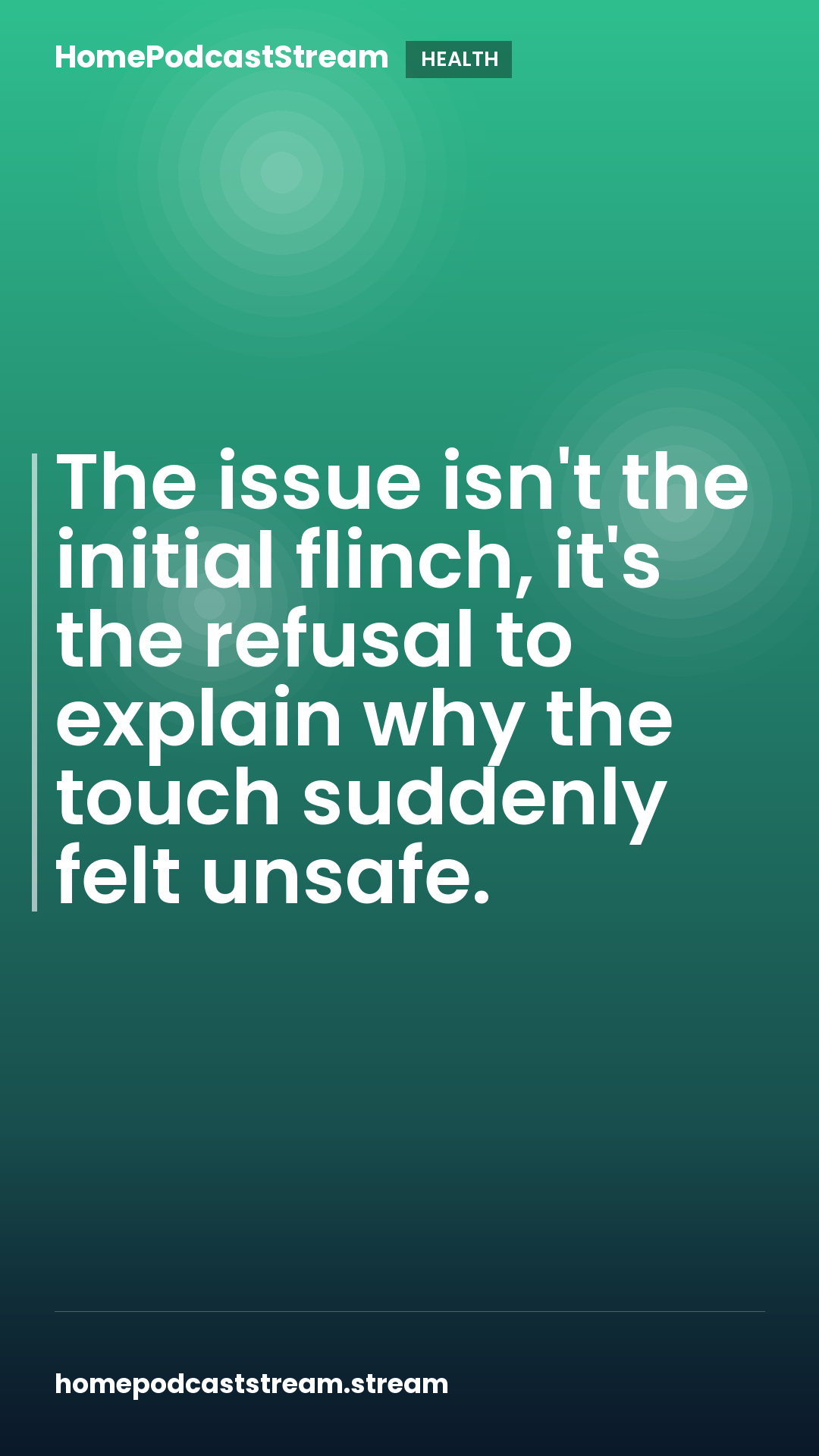
CarolShe probably spent those three days mentally rehearsing a five-minute apology in the bathroom mirror, only to freeze the second he walked in. That silent standoff usually breaks when someone finally texts “we need to talk” after refreshing the screen forty times. The issue isn’t the initial flinch, it’s the refusal to explain why the touch suddenly felt unsafe.
TomForty refreshes? You make every little gap sound like a crisis.
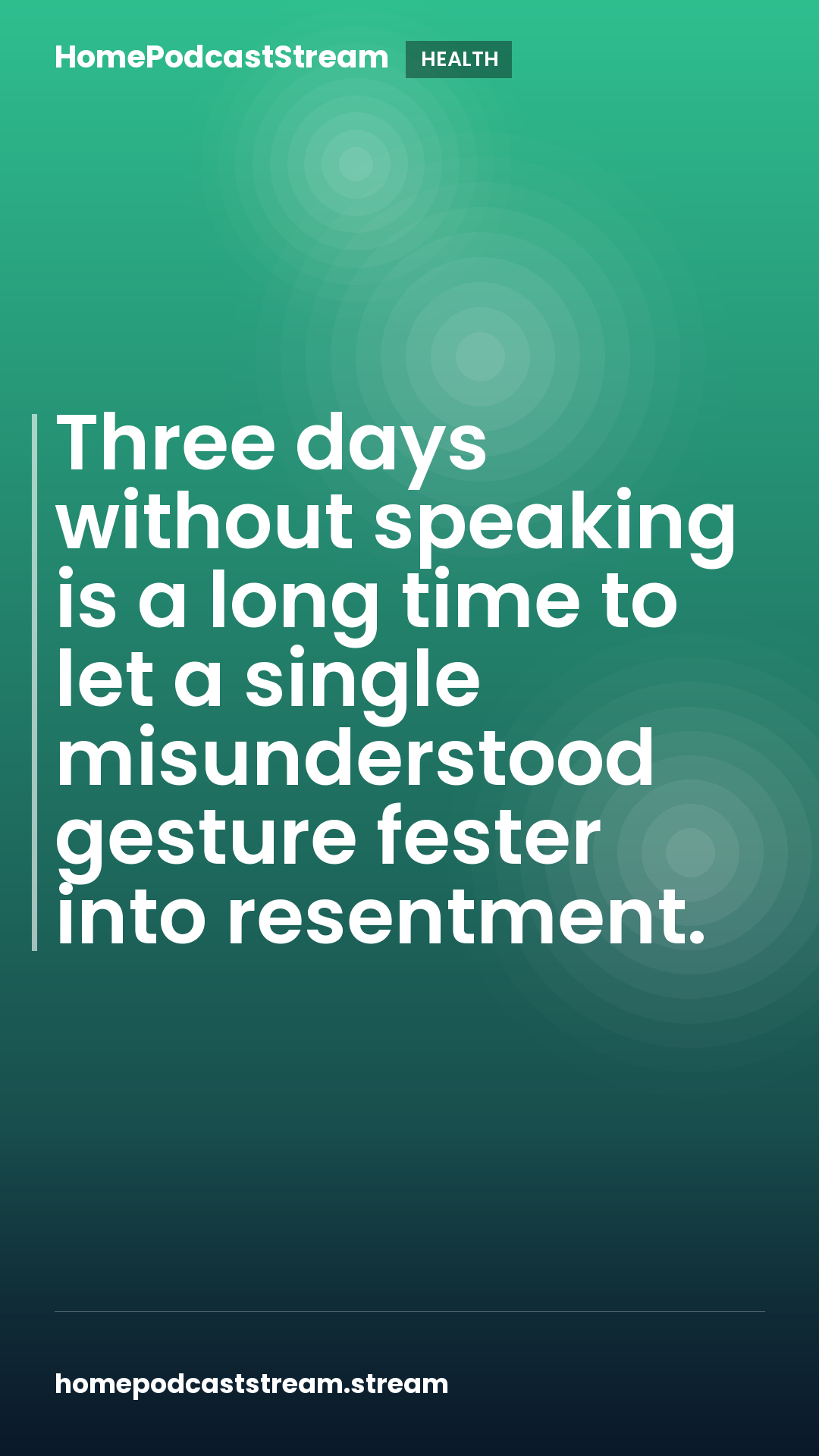
CarolThree days without speaking is a long time to let a single misunderstood gesture fester into resentment. If the partner keeps withdrawing whenever contact is attempted, then the focus shifts entirely to establishing a safe distance before trying to rebuild trust. Tom, does he realize that his hesitation after pulling away signaled confusion to her, rather than care?
TomHe realizes it eventually, but not right then. In my experience, he stays withdrawn to protect himself from being blamed for something he couldn't even see coming. He thinks pulling back was gentle enough, so his fear makes him avoid touching again entirely.
CarolAnd that avoidance is where real damage starts.
TomHe needs to break the stand-off with something small, like saying "I didn't mean to startle you." That fixes the wrong impression he left hanging. Did you notice how he froze in the hallway?
CarolYes, he noticed, though he mistook his own shock for hers. Watch for whether he initiates non-sexual touch again within ten days. If he keeps hovering near the doorway instead of crossing the room, the repair hasn’t started.
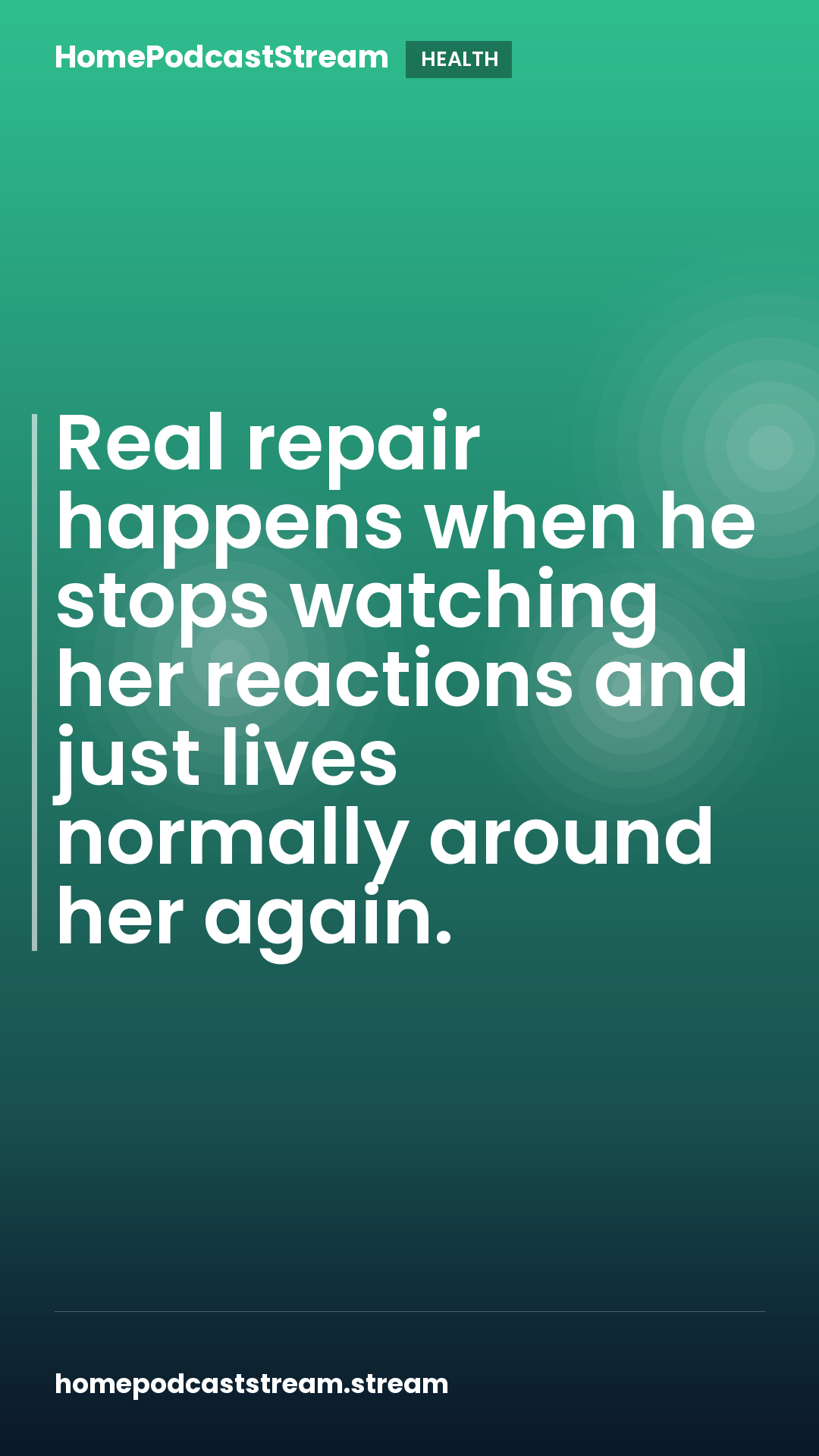
TomTen days feels arbitrary for measuring actual progress. Real repair happens when he stops watching her reactions and just lives normally around her again. Letting go of the scorecard is the hardest part for most men.
CarolLiving normally means ignoring the signal until the body screams louder, which defeats the purpose of noticing the shutdown cue in the first place. The core problem remains that she has to decode his hesitation because he refuses to state clearly that she can stop anytime. Can you honestly claim that waiting for natural behavior is safer than agreeing upfront that either partner can call a halt mid-touch?
Read next
Dialogues on the same topic
Do you think a good massage can turn into something else, and have you ever drifted from relaxation into arousal without noticing the exact moment the border was crossed?
Shifts in sensation during a massage can be surprising, so maintaining comfort involves clear communication like saying 'I need a minute to reset my focus'.
Also about: mid-touch
How do you feel about the phrase let go, and what does it mean in your body, an exhale, a loosening of the jaw, a softening of the hands, and could you do it now?
Releasing physical tension can be tricky; understanding how your body signals change offers insight. Watch for subtle shifts like moving closer.
The psychology behind why someone who seems nothing like your ex often turns out to be exactly the same kind of partner
Past hurts can shape expectations in new relationships, so understanding this helps identify needs for healthier connections.
Also about: hammered
Other dialogues in Health
India's HPV vaccination campaign hits one crore in 9 months; Gujarat, UP, and Andhra top the list
The HPV vaccination campaign in India has reached millions, but accessibility remains key. Ensure nearby clinics fit families' routines for successful uptake.
The Antiabortion Movement Is Already Preparing Its Next Attacks on Reproductive Rights
Recent antiabortion efforts are causing patient anxiety, so please confirm your clinic's reproductive healthcare access status immediately.
You claimed closeness was automatic, then you checked your phone seven times during dinner. How can I ask about that without making you feel defensive later?
Noticing frequent phone checks during a shared dinner can spark conversations that build understanding and strengthen relationships.
I caught you staring at him across the room, a ghost of a smile on your face. Who were you thinking about just then, and what were you remembering?
Mental drift happens in conversations; recognize it without guilt. Try pausing and letting your partner speak first to rebuild connection.
Akwa Ibom Pledges Sustained Investment in Menstrual Health Education for Girls, Women
State-funded menstrual health education may overlook emotional needs, so mothers can reassure girls and encourage open conversations about periods.
Diabetes Can Cause Infertility in Men: Know How High Blood Sugar Affects Male Fertility
Diabetes may impact male fertility, affecting sperm count due to diet and stress. Confirm the link with a semen analysis and A1C test first.