Study of 579 Adults in Relationships Links 2 Bedroom Habits to Women Having More Orgasms
 Colonel Reyes
 Hutch
In short
Women in a study of 579 adults in relationships are reported to have more orgasms after adopting two specific bedroom habits. One perspective emphasizes the importance of established protocols and measurable techniques, while another highlights the value of adapting to immediate desires and releasing performance pressure.
One idea raised: Trade rigid routines for noticing your body’s signals and your partner's cues, potentially creating space for shared pleasure.
The little ways you know each other's weather.
Lines worth sharing
Each one is a ready picture: share the link and it appears as a card in the feed, or save the image. Cards marked ▶ Video also come as a short clip with music: tap to watch, then save or share it.

Helps when: My desire has faded
Colonel ReyesAlright, we need to talk about this one: Study of 579 Adults in Relationships Links 2 Bedroom Habits to Women Having More Orgasms. Where do I even start with you on this?
HutchFifty-seven-nine people is barely enough to call it anything solid, but if two simple habits are making the difference for women at home, that’s worth paying attention to regardless of how clean the data looks. The rest is just guessing until someone runs it again with more folks involved.
Colonel ReyesFunny how that only works when nobody looks closely.
HutchYou’re nitpicking the sample size while ignoring that those two habits actually changed outcomes for real couples. Procedure doesn’t matter if the woman on the bed is finally getting what she needs. Sure, it looked messy on paper, but the result stuck.
Colonel ReyesPicture a couple where he skips the agreed-upon check-in because it felt tedious that night, yet they still ended up happy anyway. That outcome tells me nothing about whether the process itself holds water under pressure, so I’d rather trust the protocol over the lucky break.
HutchPicture a guy who stopped trying to hit some perfect routine and just started asking his partner what actually feels good that week—no script, no checklist—and now she’s finishing twice as often as before. That kind of shift happens in real bedrooms, not just lab reports. If skipping the formal check-in still leaves both partners satisfied, the method isn’t failing; it’s adapting.
Colonel Reyes"Adapting" without documentation is just improvisation wearing a badge. The habit fails the moment the context changes.
HutchHe’s not wrong that undocumented habits fall apart when life gets chaotic, but calling it improvisation misses that most couples don’t run on protocols anyway. The fifty-seven-nine adults likely shifted their focus away from performance anxiety toward simple physical awareness, which explains why the effect held up despite the lack of structure. You can’t legislate comfort into existence, Colonel; sometimes just noticing your body’s signals is enough to change the game.
Colonel Reyeshas a point that rigid scripts often kill spontaneity, but treating bodily awareness as a substitute for consistent technique creates blind spots. When stress spikes during a relationship crisis, that vague internal cue vanishes entirely unless backed by practiced, repeatable steps. Without a documented baseline, you're left wondering if the results were due to skill or just luck of the draw.
HutchRelying on a written manual during a panic attack is like trying to read a map while driving through a blizzard—the ink smears before you even find north. What matters is that those five hundred and seventy-nine women reported better nights after dropping the performance pressure, which proves the physical shift happened regardless of how tidy the methodology looked. Sure, it worked great on paper, but the bodies did the talking.
Colonel ReyesThe man in that bedroom is now expected to diagnose arousal levels based on guesswork rather than trained observation. Shifting responsibility onto him without technical standards just sets him up to feel incompetent when the natural cycle doesn't match his expectations. We need clear metrics for both partners, not just vibes.
HutchNatural cycles aren't broken machines needing calibration. Stop making men feel like they failed a test.
Colonel ReyesDismissing calibrated response as mere machine maintenance ignores the reality that untrained guessing leads to misdiagnosis. If a partner cannot distinguish between fatigue and genuine desire, the resulting friction becomes a procedural failure that erodes trust. You can’t manage what you refuse to measure.
HutchMeasuring every pulse spike turns intimacy into a quality control audit where neither partner ever relaxes long enough to enjoy the ride. Those 579 people didn’t need a dashboard telling them they were doing it right; they needed permission to stop worrying about the score. You can’t manage what you are too stressed to notice.
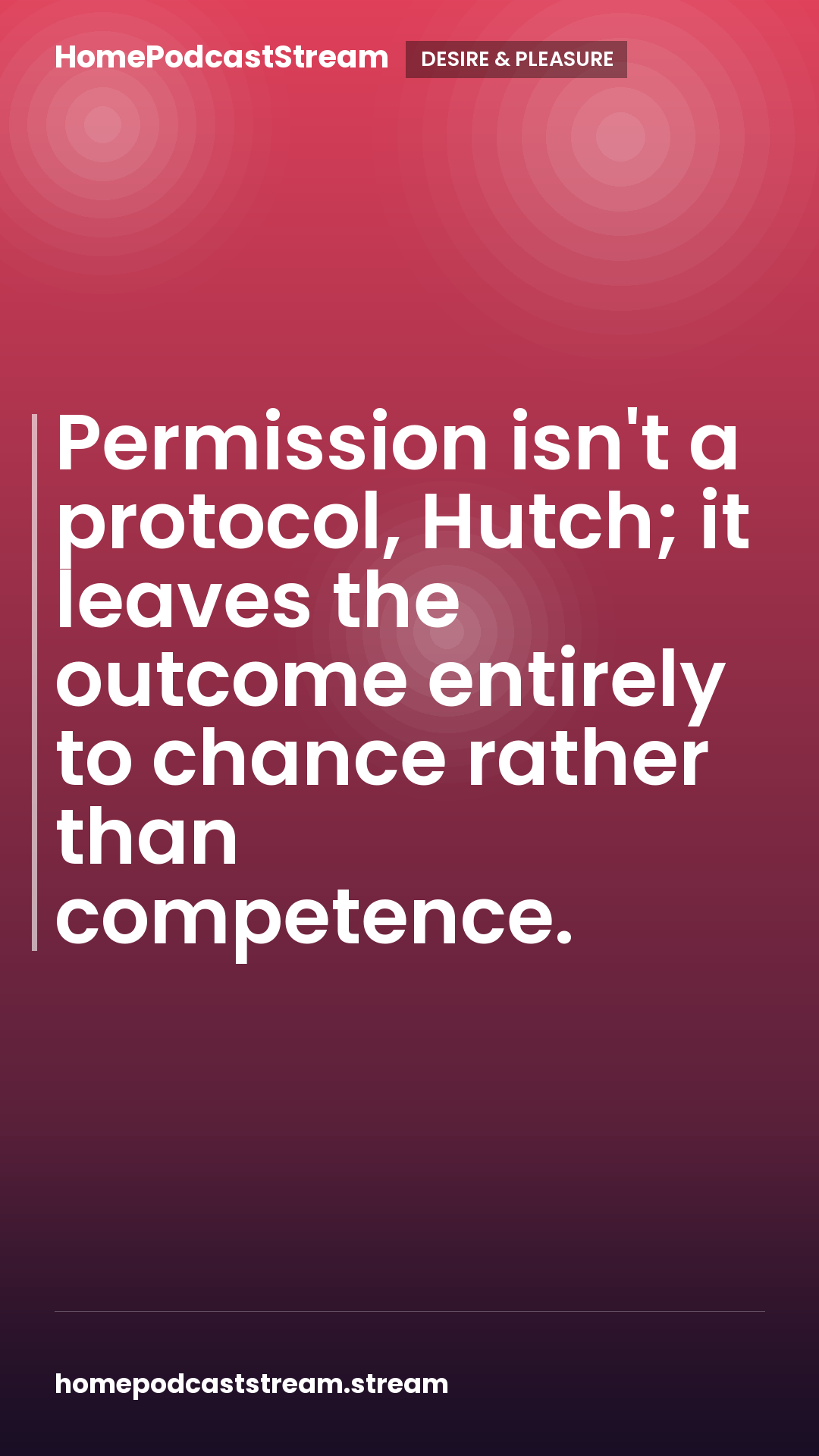
Colonel ReyesPermission isn't a protocol, Hutch; it leaves the outcome entirely to chance rather than competence. A partner guessing at signs is operating blind, and that uncertainty breeds resentment faster than any missed step does. You can call it freedom, but from my side of the fence, it looks like negligence dressed up as relief.
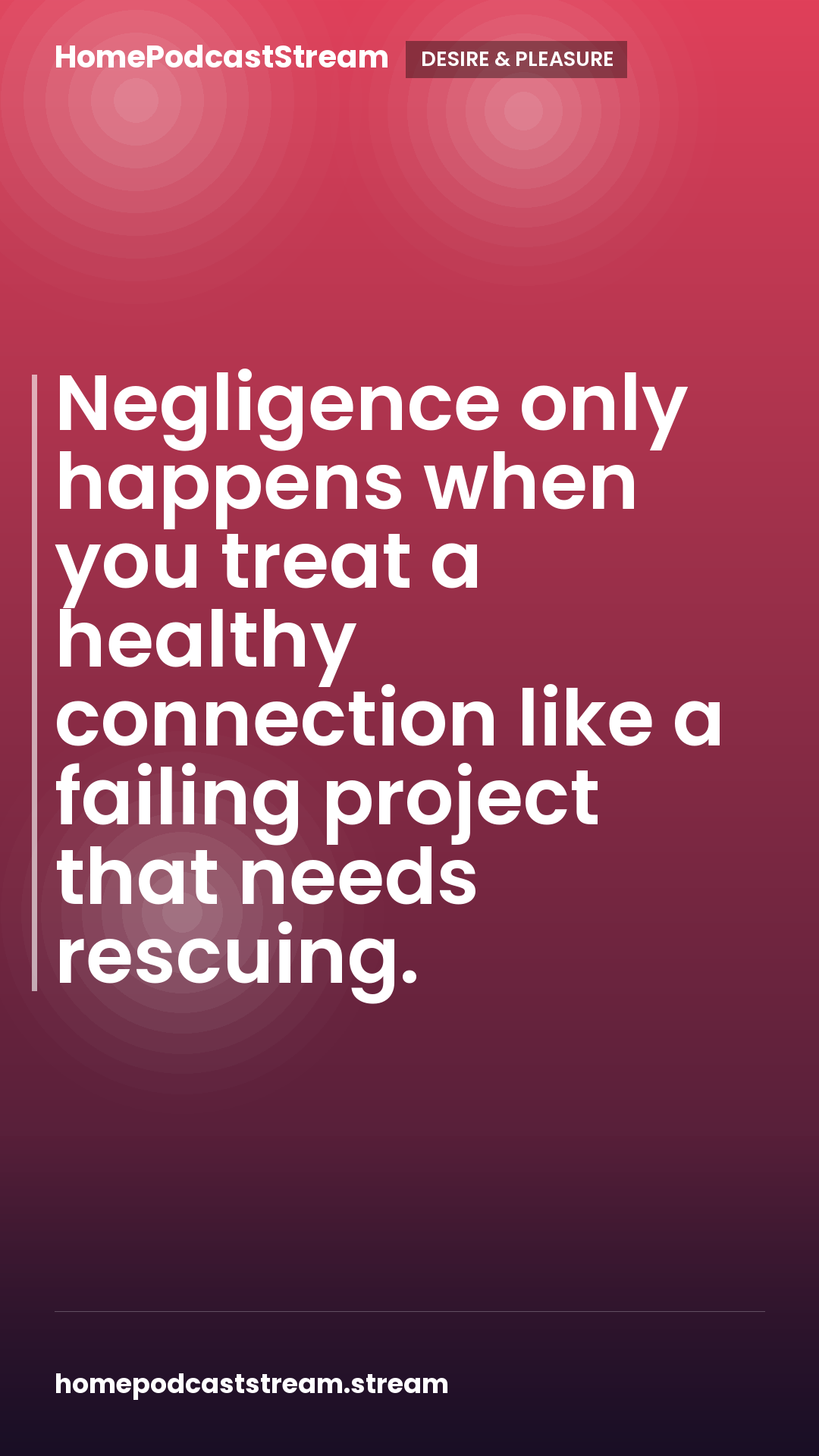
HutchNegligence only happens when you treat a healthy connection like a failing project that needs rescuing. Those five-hundred-and-seventy-nine women proved that letting go of the checklist actually improved the results on the floor. You’re worried about the paperwork while everyone else is finally getting some rest.
Colonel ReyesFive hundred and seventy-nine data points don't prove causation, they just confirm correlation until someone isolates the variable. Without knowing exactly which habits shifted versus which ones stayed static, we’re still speculating about the mechanism behind those results. Until the study identifies the precise behavioral change that drove the improvement, "letting go" remains an assumption, not a verified standard of practice.
Read next
Dialogues on the same topic
Study of 27,931 Adults Links 4 Bedroom Habits to More Orgasms & Higher Sexual Satisfaction for Women
Sleep habits affect intimacy, as researchers found routines linked to greater orgasms and stronger connections, especially with Sunday check-ins.
Also about: orgasms
Women reach orgasm more often alone, but partnered orgasms are more closely tied to sexual satisfaction
Research indicates partnered orgasms are more closely linked to sexual satisfaction, so share an honest question to foster reciprocity.
Also about: orgasms
Sexual satisfaction is more closely tied to orgasm for women than for men, study finds
A recent study suggests women link sexual satisfaction strongly to orgasm, raising questions about marketing's focus and unmet needs.
Also about: orgasms
If this one stuck with you
A different subject, but the same kind of feeling
Menopause changed what your body feels and you haven't told your boyfriend, for eighteen months — is silence a way of sparing them, or of keeping them from helping?
Menopause intimacy shifts can strain relationships; sharing these changes helps partners understand. Asking for support, even without perfect explanations.
Jury sees horror pics of pregnant sex abuse victim Sandra Birchmore’s body after cop ‘staged it to look like a suicide’
This case examines how procedural errors at a crime scene involving sex abuse can impact investigations. Recognizing mistakes doesn't excuse the perpetrator.
It felt good to watch you give in so quickly last Tuesday; almost too easy. What specific gesture signals that complete surrender for you?
Understanding consent and gestures in intimacy involves asking partners if actions felt chosen or expected to build trust and avoid pressure.
“Agreeing to try polyamory to keep a man in my life was a mistake. I should have let the relationship end”
Recognizing that clinging to a relationship to avoid loneliness can mask a deeper need for self-awareness and trusting your judgment is important.
Other dialogues in Desire & Pleasure
Mrunal Thakur opens up on body positivity and self-acceptance: “I love my curves”
Constant affirmations about body image within relationships can ironically create emotional distance and resentment over time.
You flinched when I pulled you closer last night, just a tiny shift away from my body. Is that discomfort normal, or does it mean something else entirely?
A small movement away during intimacy can spark worry, so asking ‘are we okay?’ reassures your partner and strengthens connection.
A 'Hunger Games' Gayvestigation: Can You Be Gay in Panem? Are Nonbinary People Immune From the Reaping?
The new 'Hunger Games' film prompts discussion regarding LGBTQ representation in fiction, asking if nonbinary characters enhance the narrative.
Florence Pugh is hitting back at body shamers. She also shared the 2 lifestyle changes she's making.
Florence Pugh found comfort by seeking connection, like asking for a hug, instead of searching for clinical explanations amid body shaming.
You started talking about dopamine and reward cycles when I showed you my new sketchbook. Can we just skip the science and get back to drawing together?
Creative collaboration can stall, but releasing tension through art helps. Let your charcoal flow freely onto the paper, bypassing explanations and connecting.
My 32JJ boobs are man magnets but they make my life hell - women are jealous, sex is agony & they could KILL me
Breast pain can impact daily life, but new lumps or skin changes necessitate immediate medical evaluation to check for potential risks.