The spare room used to be full of laughter during game nights with our chosen family. What changed since then that makes you hide me online now?
 Richard
 Elena
In short
A shift in dynamics within a close friend group can lead to one partner hiding their relationship online due to a painful assumption made by a well-meaning friend. Secrecy often stems from protecting peace rather than signaling a flaw in the relationship itself, but unilateral actions can erode trust. To rebuild connection, openly explaining the reasoning behind restricted visibility is essential.
One idea raised: Describe the specific reason for hiding photos aloud before asking a partner to trust a locked account, ensuring shared understanding.
The young ones will look back and wonder what the fuss was about, and that will be the victory.
Lines worth sharing
Each one is a ready picture: share the link and it appears as a card in the feed, or save the image. Cards marked ▶ Video also come as a short clip with music: tap to watch, then save or share it.
Helps when: I'm keeping a secret
RichardThe spare room fell silent after the chosen family stopped coming over, leaving behind only the memory of shared laughter. Someone has begun hiding their relationship online because the dynamic between close friends shifted into something guarded and secretive. Elena, why does privacy become necessary when the circle tightens around pain instead of joy?
ElenaThat shift usually starts with one specific incident where a well-meaning friend made an assumption that felt wrong, turning a casual dinner into a minefield. Now the partner stays quiet because speaking up feels louder than staying safe. It’s less about hiding love and more about protecting peace.
RichardMost observers assume that secrecy signals a fundamental flaw in the relationship itself, interpreting private accounts as evidence that the couple cannot handle public scrutiny. In reality, the decision often stems from a single, painful interaction where boundaries were crossed without warning, making visibility feel physically unsafe rather than morally questionable.
ElenaAnd it hits hardest right after a family wedding.
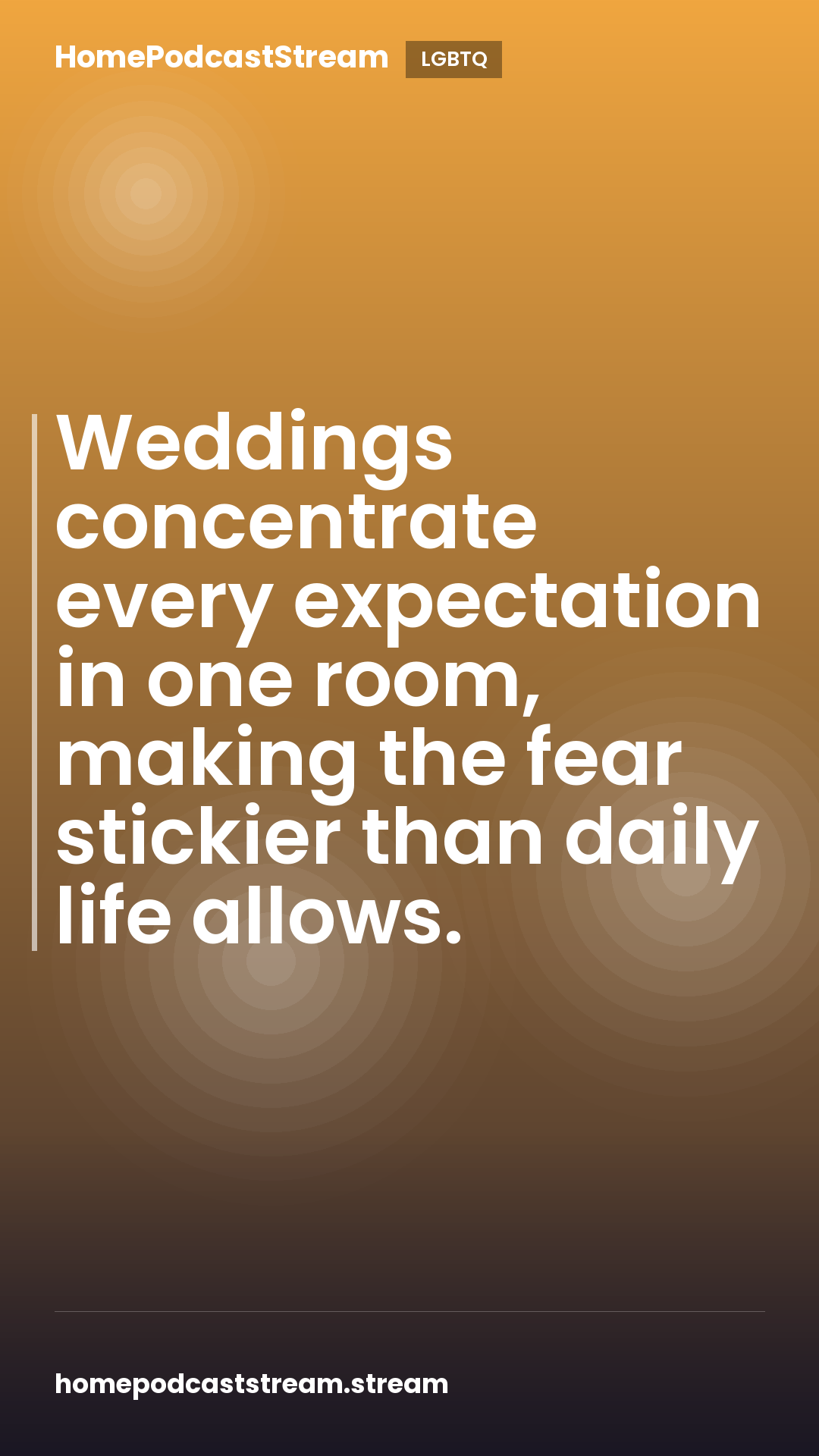
RichardWeddings concentrate every expectation in one room, making the fear stickier than daily life allows.
ElenaZack got off the train with his phone still pressed to his ear, having just listened to his best friend ask why he stopped posting photos of his partner during game nights. He didn’t argue back; he simply hung up and deleted the drafts folder before walking into the station exit. That single gesture turned a casual question into a permanent boundary. Now every online interaction requires a mental check before hitting send.
RichardThe mental check becomes dangerous if Zack deletes posts while his partner remains unaware, creating a false sense of safety. Visibility should only shrink when the threat is recurring, not after a single question.
ElenaUnilateral deletion creates a gap where trust used to live, which makes the partner feel excluded from the very protection meant for them. But the danger isn’t always malice; sometimes it’s just panic overriding communication, like forgetting how to breathe underwater until someone pulls you up. When the threat is truly persistent, whose job is it to explain the logic behind those locked profiles so the partner doesn’t spiral alone?
RichardThe person easiest to overlook here is the friend who asked the question. Their curiosity likely came from genuine concern, not surveillance, meaning the locked profile punishes an innocent inquiry rather than addressing actual harm. This distinction matters because labeling normal friendship as a threat distorts the entire social landscape.
ElenaPunishing curiosity for asking questions is exhausting to maintain.
RichardMaintaining that level of exhaustion suggests the friend’s original comment wasn’t treated as a casual inquiry but as a serious breach of privacy, especially given how quickly Zack cleared out his drafts after hanging up. "You need to understand why I took down the game night photos," he might say directly to the partner to prevent her from guessing. And Elena, does shifting the label from 'panic' to 'exhaustion' change whether the friend still owes an apology?
ElenaNo, the friend doesn’t owe an apology once Zack admits the reaction was disproportionate. Listen for a pause before he answers, which shows he’s rethinking his stance instead of doubling down. That hesitation signals the shift from defensive anger to self-awareness.
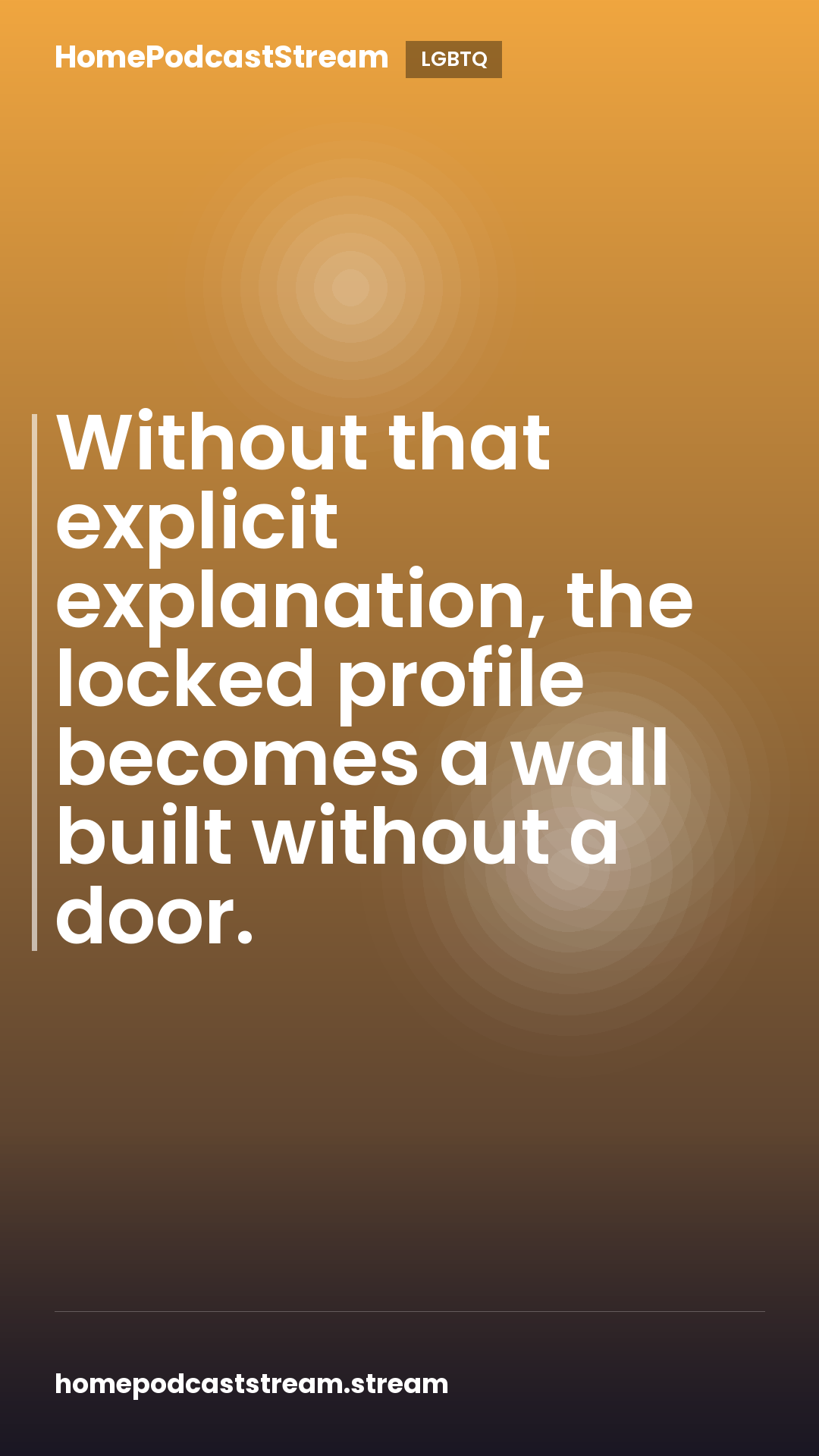
RichardA pause indicates internal processing, but it does not guarantee the follow-through needed to repair the connection between partners. The practical move is for Zack to describe the exact reason for hiding the photos before he asks anyone to accept the locked state, ensuring the decision rests on shared understanding rather than assumed consent. Without that explicit explanation, the locked profile becomes a wall built without a door.
ElenaSo the answer landed here: Zack has to walk into that kitchen, sit down across from his partner, and say exactly why he deleted the drafts before asking her to trust the locked account again. It isn't enough to hide him online; he has to explain the fear out loud so she isn't left decoding his behavior alone. Does someone in your chosen family ever lock a door without telling you where the key went?
Read next
Dialogues on the same topic
You saw me crying on the balcony last night, and quickly looked away. What does seeing me like this do to what you thought about our chosen family?
Supporting a distressed loved one in your chosen family can feel challenging. Sending a simple weekly text reaffirms your presence and ongoing support.
Also about: chosen
I started wondering about that night out three weeks ago; it's all I can think about now. When did our easy laughter shift into something else?
To understand changing relationship feelings, ask your partner about specific moments, like a strained night out, not just emotions.
Also about: laughter
We used to laugh so easily about weird things, but now everything feels... carefully constructed. What shifted for you since then, inside this apartment?
Relationships lose laughter when vulnerability decreases. Share how your day felt instead of seeking reassurance, fostering trust and bringing back joyful ease.
Also about: used · laughter
Other dialogues in LGBTQ
Wyoming trans woman takes plea deal after drawing a gun on a former Patriot Front member who shoved her
Following a confrontation, a Wyoming trans woman reached a plea agreement, demonstrating how public legal results can address misinformation.
You hugged my friend tightly, then scowled when she mentioned the closet. What would you genuinely change about your life if you weren't ashamed?
Sharing an LGBTQ identity can bring difficult reactions; learn how to respond when faced with discomfort by creating space for honest feelings.
Steamy gay romance Departures gets Collector’s Edition Blu-ray release and Russell Tovey’s stamp of approval
Discussing scenes, like in Departures' Blu-ray, deepens intimacy and creates meaningful connections when watching gay romance films together.
The Body is a hit – and every lesbian I know is obsessed. Why aren’t there more sapphic stories on screen?
Sapphic stories on screen remain scarce, frustrating audiences seeking diverse representation, so consider pitching your own treatment.
I'm comfortable being myself online, but never at home, not since we moved. Is transitioning a performance for you, or just a habit?
Understanding transgender identity at home can be challenging; consider scheduling brief talks to pinpoint routines needing adjustment, easing daily effort.
Race Across the World winner Alfie Watts flies to Thailand for first date after coming out as bisexual
Queer dating experiences abroad spark debate; find acceptance by prioritizing local connections. Build trust quickly through shared spaces and community events.