You're affectionate with everyone in public, but there's a wall when we close the door. Why always act like intimacy is a performance for an audience?
 Sal
 Dana
In short
Couples sometimes find affection feels staged, particularly when warmth disappears privately, and one view points to exhaustion and unbalanced emotional effort, while another highlights that small actions can’t replace real closeness and honest talks.
One idea raised: Name the moment the door closes and plainly ask your partner to be present too, instead of waiting for them to show up or reviewing the damage later.
Being loved for what you do is exhausting. Being loved for who you are is rest.
Lines worth sharing
Each one is a ready picture: share the link and it appears as a card in the feed, or save the image. Cards marked ▶ Video also come as a short clip with music: tap to watch, then save or share it.
Helps when: I feel resentful or unseen · I want to feel closer
SalWe usually clash on whether affection can be genuine if it’s broadcasted for applause. I’m betting my entire career that true connection dies behind closed doors once the script ends. Dana, how do you square acting affectionate in public with pretending intimacy isn't just a performance?
DanaYou're giving them a pass for making their spouse feel like a prop in a movie where everyone claps but nobody cares. That "drain" you mentioned? It's just another name for keeping the real work from ever happening. A woman walking home after he kissed his boss goodbye feels the lie before she even hits the porch light.
SalThe script starts the moment we step into a room full of strangers. He holds her hand tight, smiling wide for every eye watching him. Then the door locks and the smile drops off his face like paint peeling. He doesn't hate her, he just forgot how to be soft when no one is judging. That gap is where the trust quietly rots away.
DanaThe part that hurts most isn’t the silence; it’s realizing the warmth was just a transaction to survive the day without getting yelled at. Sal, you’re treating exhaustion like a permanent state rather than a signal that the emotional labor hasn’t been shared equally in years.
SalExhaustion shifts around; it doesn't just sit still for years.
DanaShifting blame doesn't fix the coldness in the bedroom.
SalHer husband left a card on the pillow after three weeks of distance. She read it twice and then asked why he felt so empty inside. He couldn't answer because the performance had drained him dry.
DanaWriting a card while exhausted is like sending a text from a dead phone battery; it proves nothing about whether you can actually recharge. If he keeps leaving those little notes instead of sitting down to figure out why he freezes up, she needs to demand a real conversation about sharing the load. And Sal, calling that note progress ignores that he still hasn't answered why the warmth stops at the threshold.
SalDemand a conversation first, then judge the outcome.
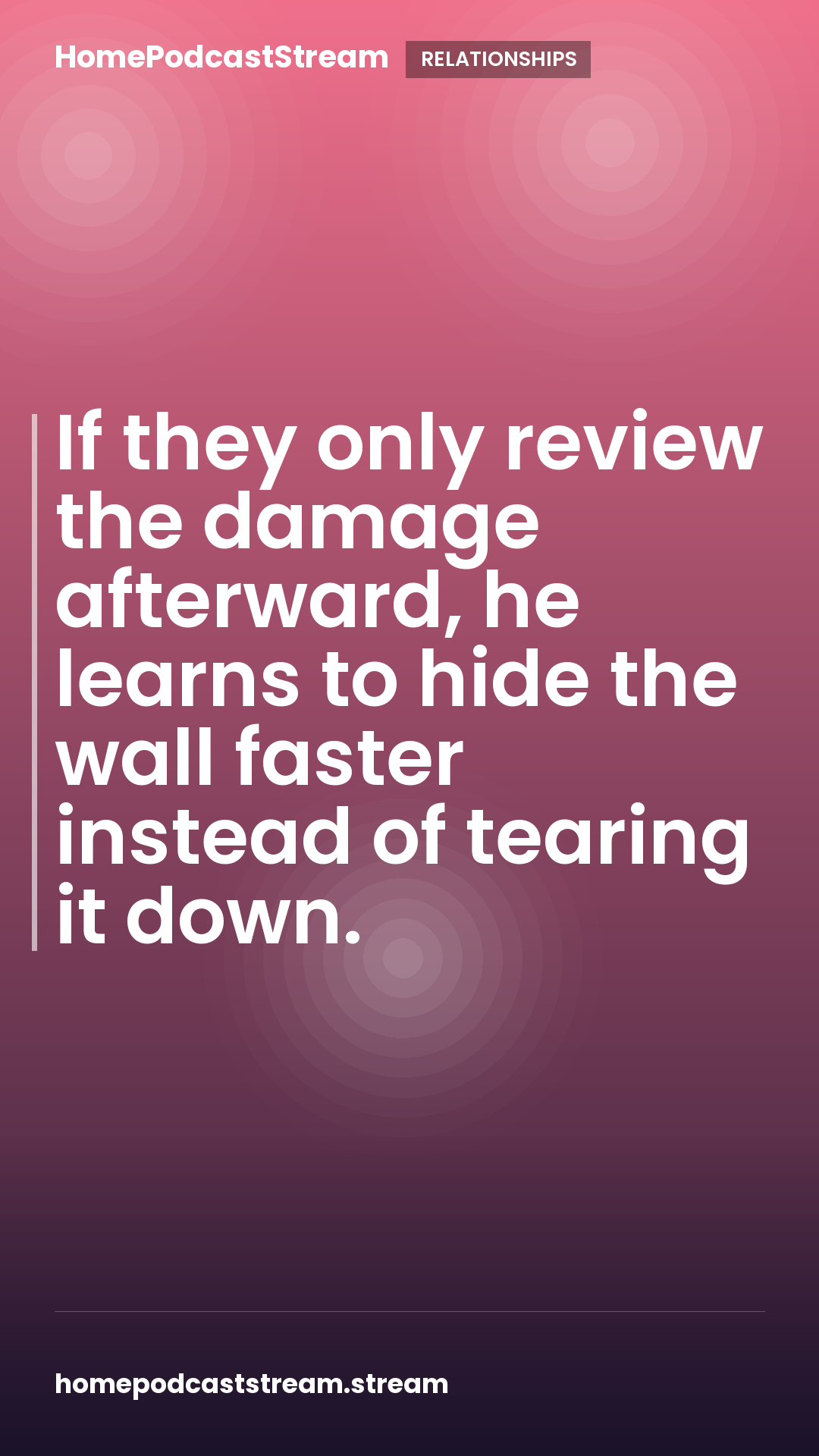
DanaBut waiting for the verdict skips the actual repair, which is sitting down together the second time he freezes. If they only review the damage afterward, he learns to hide the wall faster instead of tearing it down.
SalFreezing up is a defense mechanism against running on empty fumes. Waiting for the freeze means you're punishing the symptom instead of treating the cause. Ask him what specifically makes holding space feel heavier than carrying groceries up stairs. That answers why intimacy feels like work for an audience.
DanaAsking what feels heavy misses that she has already carried the weight alone for months. The usable move is simple: she names the moment the door closes and says plainly that she wants him present there too, before either of them checks a mental list. That shifts the effort from surviving the evening to building a home where both people show up fully behind the threshold.
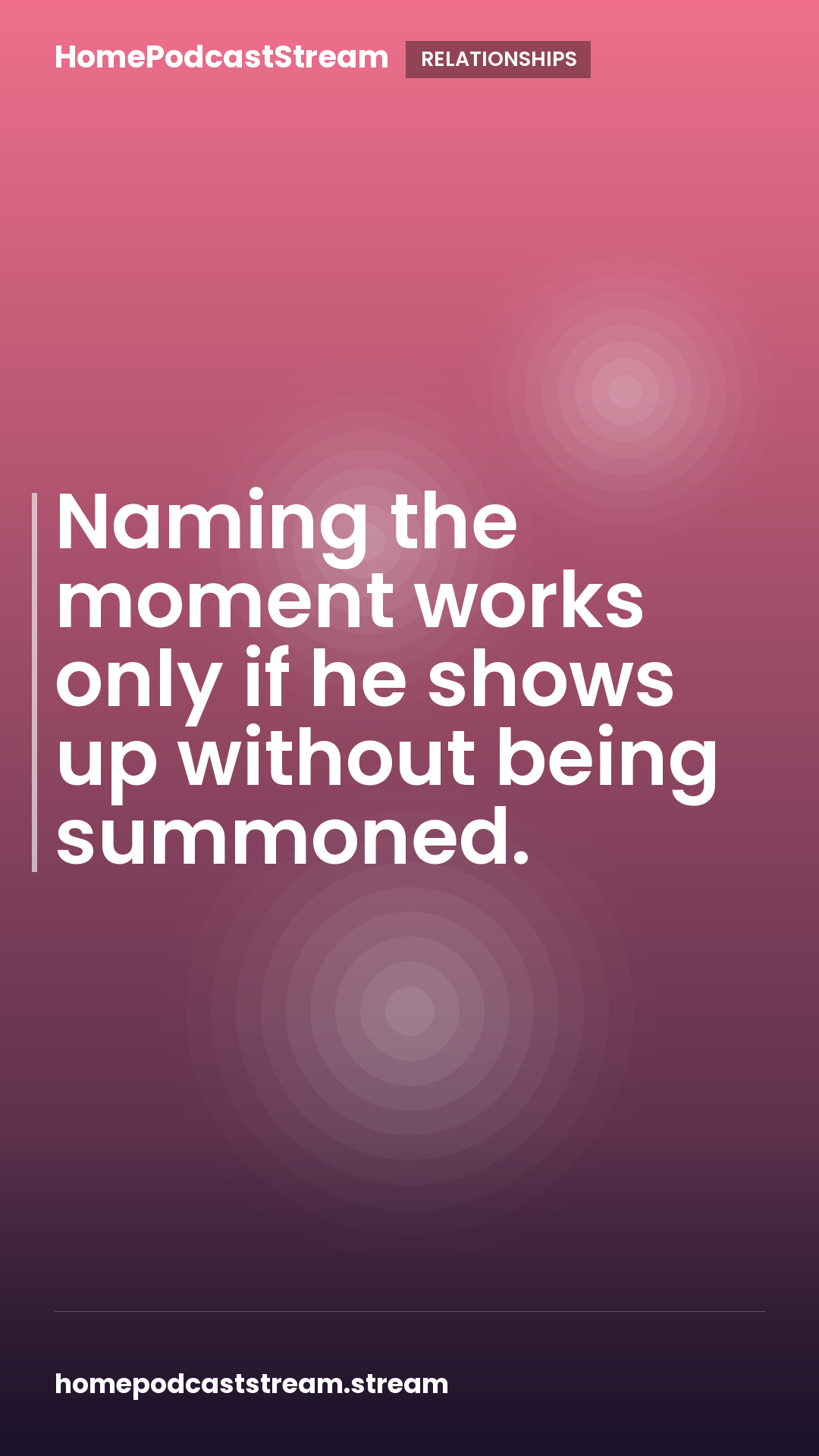
SalNaming the moment works only if he shows up without being summoned. You cannot audit presence. Does your partner perform affection when neighbors are watching?
Read next
Dialogues on the same topic
Why do you always turn your body away when I try to kiss you goodnight, leaving a space between us despite your smile?
Partners sometimes pull away during intimate moments because of fatigue, but asking about comfort levels can strengthen connection.
Also about: kissed · smile
You send money quickly whenever I need something, but never offer affection or support - what's the exchange supposed to feel like on your side?
When financial support replaces emotional closeness, prioritizing your partner's feelings can build a stronger, deeper connection.
Also about: affection
You've noticed your boyfriend only initiates affection right after an argument, eight times in the last few months — is that repair, or is that a pattern of avoiding real conversation?
Repeated affection following disagreements might avoid tough talks, leaving issues unresolved and damaging trust. Asking 'what happened' helps address conflict.
Also about: affection · kissed
Other dialogues in Relationships
People Who'd Rather Scroll Their Phones Than Spend Time With People Usually Have 6 Increasingly Common Habits
Phone use creates pauses that can lead to misunderstandings between partners. A simple 'still here' message helps close the distance and avoids assumptions.
I started wondering about that night out three weeks ago; it's all I can think about now. When did our easy laughter shift into something else?
To understand changing relationship feelings, ask your partner about specific moments, like a strained night out, not just emotions.
If people tell you their problems but rarely ask about yours, it’s probably not because they’re selfish — it’s because you’ve made listening look effortless
Unequal sharing, like imbalanced conversations, strains friendships, so acknowledge burdens and trade vulnerabilities to rebuild trust.
Psychology says emotional maturity isn’t never losing your temper — it’s these 6 things you do afterward
Emotional maturity involves recognizing how your actions affect others, rebuilding trust through clear and honest explanations.
People With A Sharp Ability To Spot Other People's Nonsense Usually Say 5 Phrases When They Get Suspicious
Spotting lies in relationships can be difficult, but gentle responses and encouragement of honesty help foster trust moving forward.
I find myself thinking about your hands on my shoulders a lot. What's happening between us that makes you seem so distant lately?
Feeling alone together involves understanding relational distance, expressing how your partner's actions affect you, and patiently waiting for their response.