LGBTQ
Why avoid talking about family's reaction to coming out?
You're not alone: 1 other question about this were answered this month.
Short and concrete is best. The most useful questions get a page of their own.
Short answer
They likely fear disappointing their family, especially if they’ve presented a certain image to the outside world. Shifting the topic might feel like a way to protect themselves from potential disapproval or conflict, even if it hurts you. It could also stem from past experiences where discussing similar topics led to negative outcomes.
Why this happens
Your partner may worry about how their family will react, particularly if that family values tradition or has expressed conservative views previously. They might imagine harsh words or rejection, and avoiding the topic feels easier than confronting that possibility. This isn’t necessarily about rejecting you, but shielding themselves from anticipated discomfort. The fear of disappointing them is significant, even if they don’t verbalize it. It’s possible they have learned to prioritize family approval above all else, and this influences their reaction now.
The quick change of subject may indicate a deeper discomfort with acknowledging their own identity or the hard parts of acceptance. Perhaps they haven't fully processed their feelings or believe that discussing it will force them to confront internal doubts. They might also worry about how you’ll perceive them, fearing judgment or questioning of their commitment to you. This avoidance could be a protective mechanism, preventing vulnerability and potential criticism after sharing such personal information. It’s possible expressing emotions around this topic feels unsafe.
What you could say
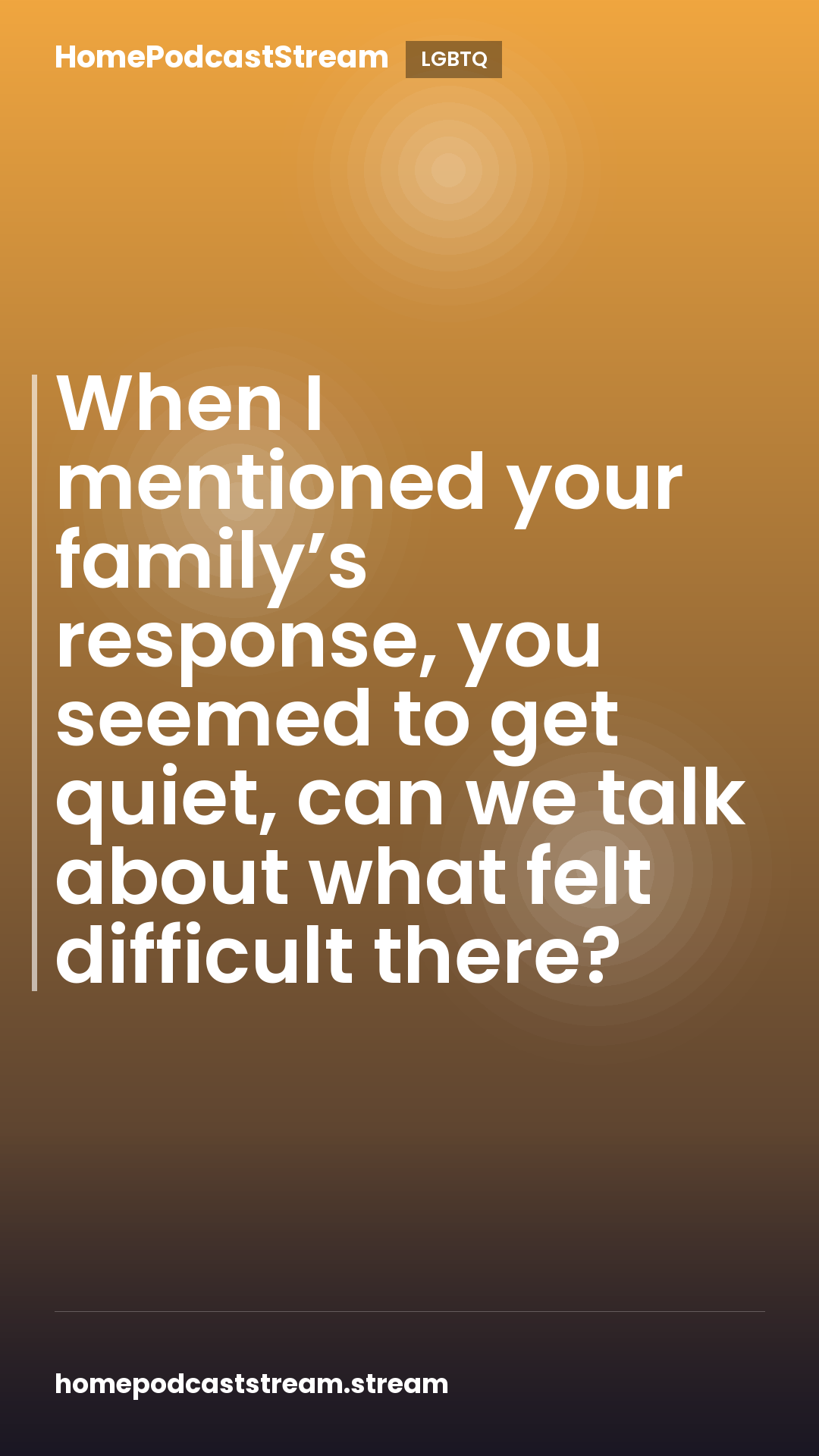
- When I mentioned your family’s response, you seemed to get quiet, can we talk about what felt difficult there?
- I noticed you changed the subject when we spoke about your parents' reaction to me; what worries you most about that discussion?
- Bringing up your family’s views made you shift away, and I want to know what part of that feels hard to address.
What to avoid
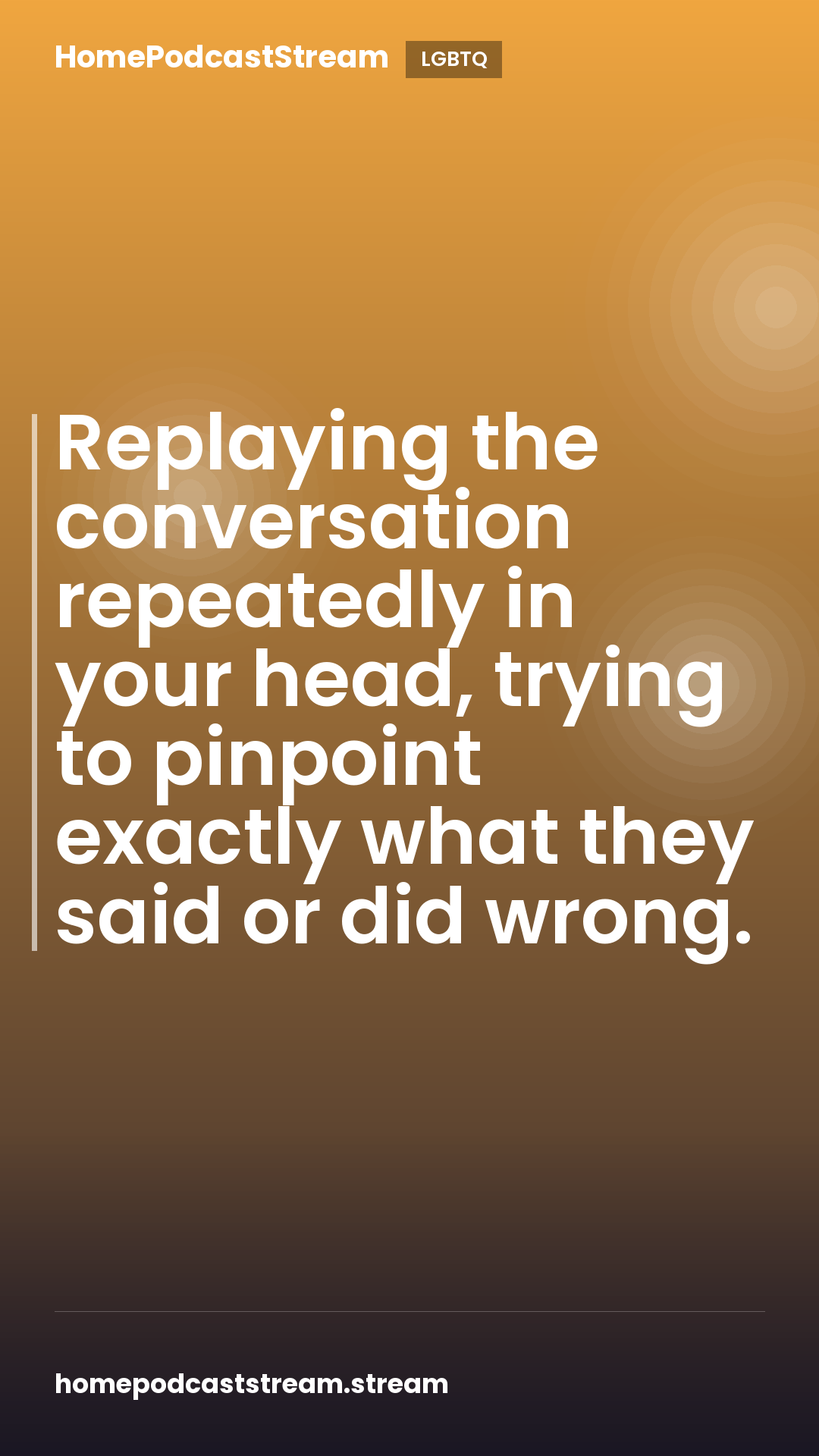
Replaying the conversation repeatedly in your head, trying to pinpoint exactly what they said or did wrong. Asking 'Why?' repeatedly, especially if it comes across as accusatory; it often shuts down communication rather than opening it. Assuming their reaction means they don’t accept you or your relationship; it’s more likely a temporary avoidance strategy rooted in their own fears.
When to talk to someone
If this pattern of avoidance continues and creates distance between you, consider seeking guidance from a therapist. A professional can offer tools for improved communication and help both of you understand underlying anxieties related to family dynamics and self-acceptance. Talking to someone impartial could provide clarity and support.
Other ways people ask this
- Why do you shut down when I mention family’s reaction?
- Is there a reason you won’t discuss family’s response?
- Why do you change the subject when family comes up?
- When I brought up coming out to our families, you shut down completely. What's stopping you from even talking about it?
- You quickly changed the subject when I brought up coming out to my family. What is that sudden defensiveness supposed to tell me?
- You laughed when I told my parents I was bi, then changed the subject quickly. Why did you find my coming out so uncomfortable to acknowledge?
Written for reflection by the HomePodcastStream editors with the help of AI and checked before publishing. It is not medical, legal or professional advice.