After three months of unexplained low libido, you finally learned it was a side effect of a supplement the person you're seeing recommended — does good intent excuse the damage it did?
 Sully
 Dot
In short
After discovering low libido stems from a recommended supplement, the situation raises questions about responsibility when helpful suggestions lead to negative consequences. A perspective emphasizes the difference between what was meant and what actually happened, while another proposes sharing worries and finding answers collaboratively.
One idea raised: Writing down three options for future choices shifts the focus from blame to addressing the body's needs.
We eat the way we were comforted.
Lines worth sharing
Each one is a ready picture: share the link and it appears as a card in the feed, or save the image. Cards marked ▶ Video also come as a short clip with music: tap to watch, then save or share it.
Helps when: My desire has faded
SullyThree months of unexplained low libido finally traced back to a supplement the other person specifically recommended, does that history of good intent actually cancel out the damage? Dot, when advice causes harm, where exactly does the responsibility end?
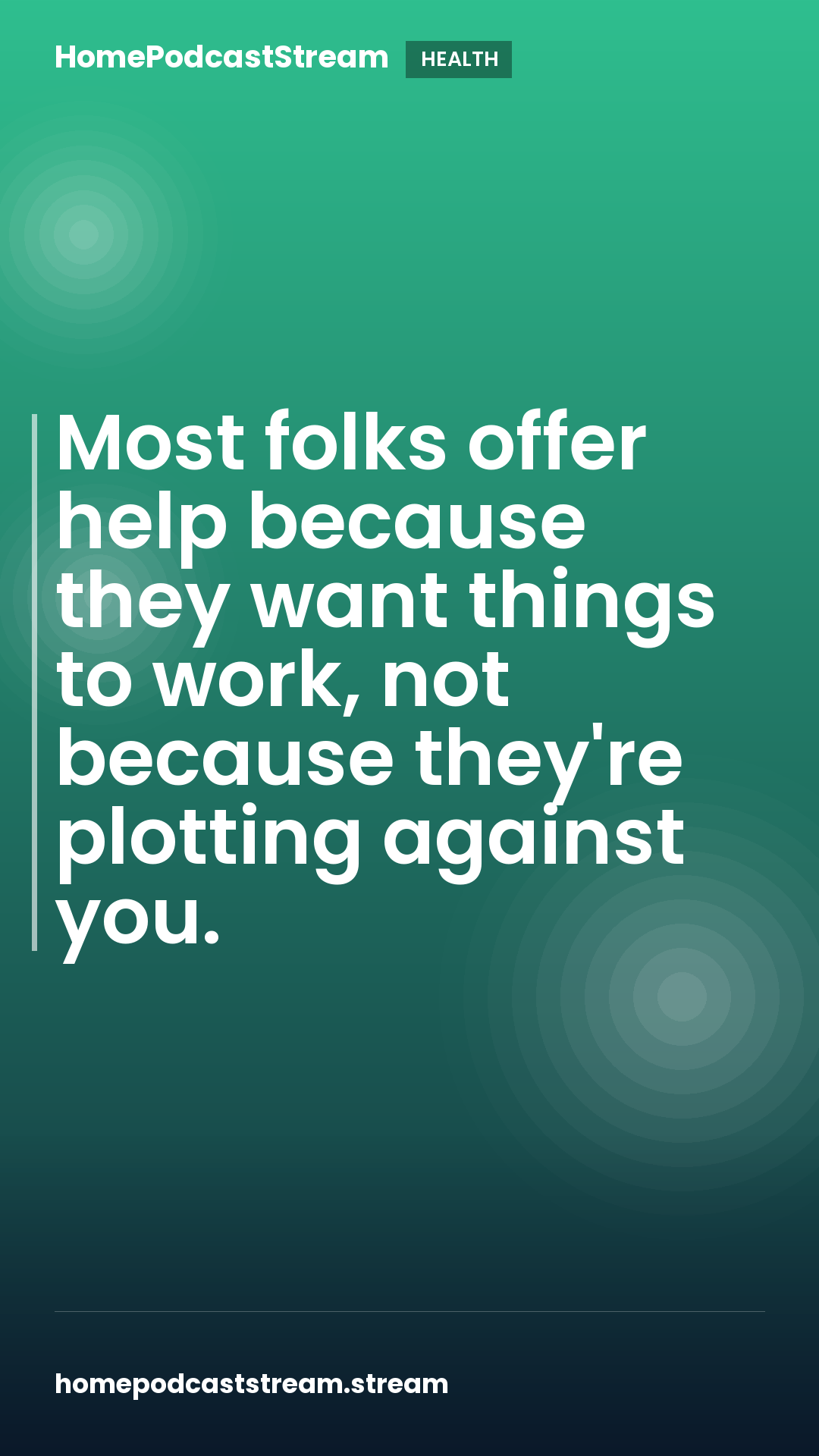
DotWhat strikes me isn’t the bad outcome, it’s that the recommender probably had no idea their suggestion would land like that. Most folks offer help because they want things to work, not because they’re plotting against you. The issue is usually just a gap between what they intended and what actually happened.
SullyBut three months is a long time to sit in that fog without knowing why. People usually assume the trouble is inside them, not in the bottle on the shelf. That silent stretch is where the real hurt happens, not the side effect itself.
DotBoth sides are terrified the relationship is now broken beyond repair. She fears admitting she felt let down will push him away, while he worries naming the mistake will confirm he ruined things. Getting those specific fears out loud is often the first step to fixing them.
SullyThe fear of admission often blocks the fix more than the error itself. Owen kept buying his girlfriend’s favorite yogurt out of pure muscle memory for two years. One morning he grabbed the wrong brand, and she went quiet before she even finished her cereal. He didn't explain the mix-up; he just put the correct carton back in the fridge and left it there.
DotThe best part is he treated the wrong yogurt like a minor traffic accident, just pulled over, corrected course, and moved on. It wasn't dramatic, which is exactly why it worked. Putting the right thing back without making a scene tells her the mistake mattered less than keeping things running smoothly.
SullyHa. The trouble is nobody treats a health scare like a spilled coffee cup. Usually the first call goes straight to a panic mode instead of a simple check-in. You can\'t fix what you won\'t name out loud.
DotPanic mode is just fear wearing a costume.
SullyNaming the fear helps, but timing matters. If he brings it up during intimacy, she’ll shut down hard. Wait for a neutral moment, like after dinner. Then he owns the error without dragging her into a medical debrief.
DotWaiting until after dinner sounds sensible, though the yogurt guy fixed the fridge before anyone complained. Owning the slip early beats letting the worry fester alone.
SullyThe label sticks harder than the damage did.
DotLabels tend to get picked based on how we feel right then, not on what actually happened. If the talk gets messy, she might walk away and grab some air before saying anything harsher. That pause gives both of them room to stop thinking they’re permanently scarred.
SullyPeople need a word for the gap between what they meant and what landed. Calling it a shared misstep keeps it from becoming a solo blame game. She could suggest picking a supplement together next time, turning the mess into a plan. That small shift makes the future feel manageable instead of haunted.
DotPicking it together turns a regret into a routine, and routines are where trust rebuilds itself brick by brick. I’d tell her to write down three options before they sit down, so the focus stays on the body’s needs rather than whose fault it was. That list becomes the new normal, not just a apology note.
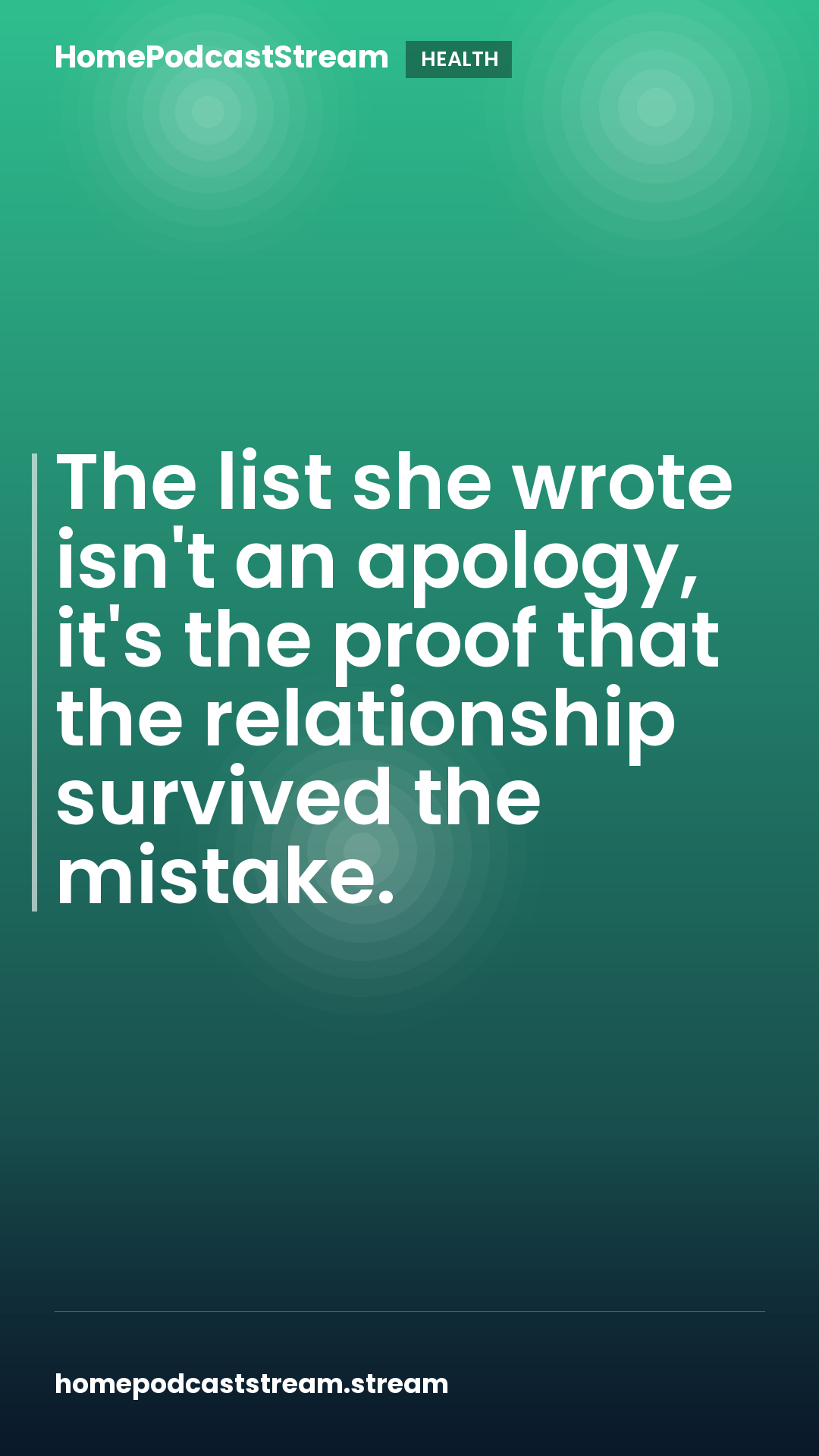
SullyGood intent doesn't erase the physical reality of the low drive. The list she wrote isn't an apology, it's the proof that the relationship survived the mistake. That paper is the real answer, not the guilt.
Read next
Dialogues on the same topic
After eight years of unexplained low libido, you finally learned it was a side effect of a supplement your boyfriend recommended — does good intent excuse the damage it did?
Supplements can unexpectedly cause low libido, as one woman learned after eight years, so regularly discuss wellness product impacts with your partner.
Also about: supplement · recommended
You started a new medication two years ago and your libido disappeared completely since — is losing your sex drive an acceptable price for treating the rest of your body?
New medications impacting sex drive present a challenging choice between health and quality of life, potentially prioritizing survival.
Also about: libido · fridge
If this one stuck with you
A different subject, but the same kind of feeling
Psychology says the reason good-looking kind people often have no close friends isn’t a personality flaw — it’s that they’ve often spent their whole lives being chosen for what they provide rather than for who they are
Friendships built on usefulness can feel shallow, so testing your connections is important to determine if they are genuine rather than transactional.
If these 9 questions ever cross your mind, you’re someone who genuinely wants to make the world a better place
Reducing judgment keeps support systems open, simplifying forms and aiding those needing help, especially families struggling with difficult conversations.
You've had unprotected sex with your ex on multiple occasions and stayed quiet each time because asking them to get tested felt like an accusation — was your silence kindness, or self-neglect?
Sharing STI test results after unprotected sex restores your partner's agency, easing worries and allowing informed decisions.
Transitioning feels stalled, doesn't it? You avoided eye contact over dinner. Since when did this become about avoiding intimacy instead of simply wanting change?
Transitioning impacts relationships; understanding unspoken concerns helps partners connect. A simple question about timing empowers both individuals.
Other dialogues in Health
India's HPV vaccination campaign hits one crore in 9 months; Gujarat, UP, and Andhra top the list
The HPV vaccination campaign in India has reached millions, but accessibility remains key. Ensure nearby clinics fit families' routines for successful uptake.
The Antiabortion Movement Is Already Preparing Its Next Attacks on Reproductive Rights
Recent antiabortion efforts are causing patient anxiety, so please confirm your clinic's reproductive healthcare access status immediately.
You claimed closeness was automatic, then you checked your phone seven times during dinner. How can I ask about that without making you feel defensive later?
Noticing frequent phone checks during a shared dinner can spark conversations that build understanding and strengthen relationships.
I caught you staring at him across the room, a ghost of a smile on your face. Who were you thinking about just then, and what were you remembering?
Mental drift happens in conversations; recognize it without guilt. Try pausing and letting your partner speak first to rebuild connection.
Akwa Ibom Pledges Sustained Investment in Menstrual Health Education for Girls, Women
State-funded menstrual health education may overlook emotional needs, so mothers can reassure girls and encourage open conversations about periods.
Diabetes Can Cause Infertility in Men: Know How High Blood Sugar Affects Male Fertility
Diabetes may impact male fertility, affecting sperm count due to diet and stress. Confirm the link with a semen analysis and A1C test first.