Breaking the silence: Local doctor talks change of life during Menopause Awareness Month
 Sully
 Dot
In short
A local doctor discussing menopause highlights the challenges women face when seeking help. The hosts debate whether demanding information or fostering trust is more effective, landing on the importance of both clear communication and documentation to ensure care. They suggest a written symptom log can be important.
One idea raised: Write down your symptoms first, then ask for a follow-up date before leaving the building.
Ask someone older whom you trust what changed for them in their body and mood, and what helped. Menopause and ageing feel less lonely when shared.
Be nice to the surface. It is also the border.
Lines worth sharing
Each one is a ready picture: share the link and it appears as a card in the feed, or save the image. Cards marked ▶ Video also come as a short clip with music: tap to watch, then save or share it.
Helps when: I feel overwhelmed
SullyThere’s a local doctor actually talking about menopause right now, which feels odd because the whole point seems to be that nobody else does. The assumption is that most women are expected to figure out this massive shift on their own without anyone bothering to ask if they’re okay. Wait, Dot, why do we act surprised when someone finally decides to stop pretending everything is fine?
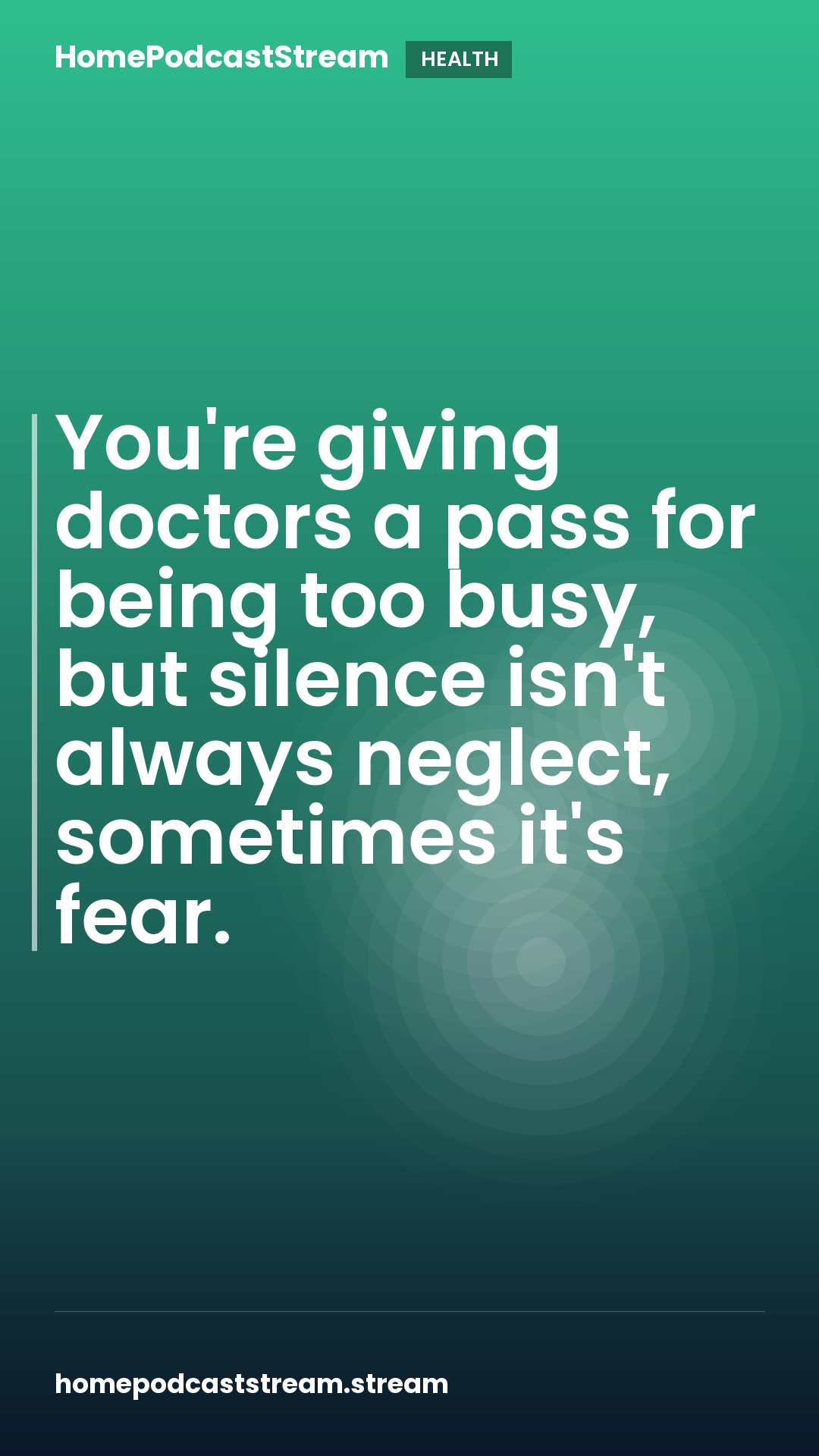
DotYou're giving doctors a pass for being too busy, but silence isn't always neglect, sometimes it's fear. A woman sitting across from her GP is terrified she'll sound like a nightmare, so she clamps down until the appointment ends. That doctor stepping forward changes the room temperature enough for the truth to leak out.
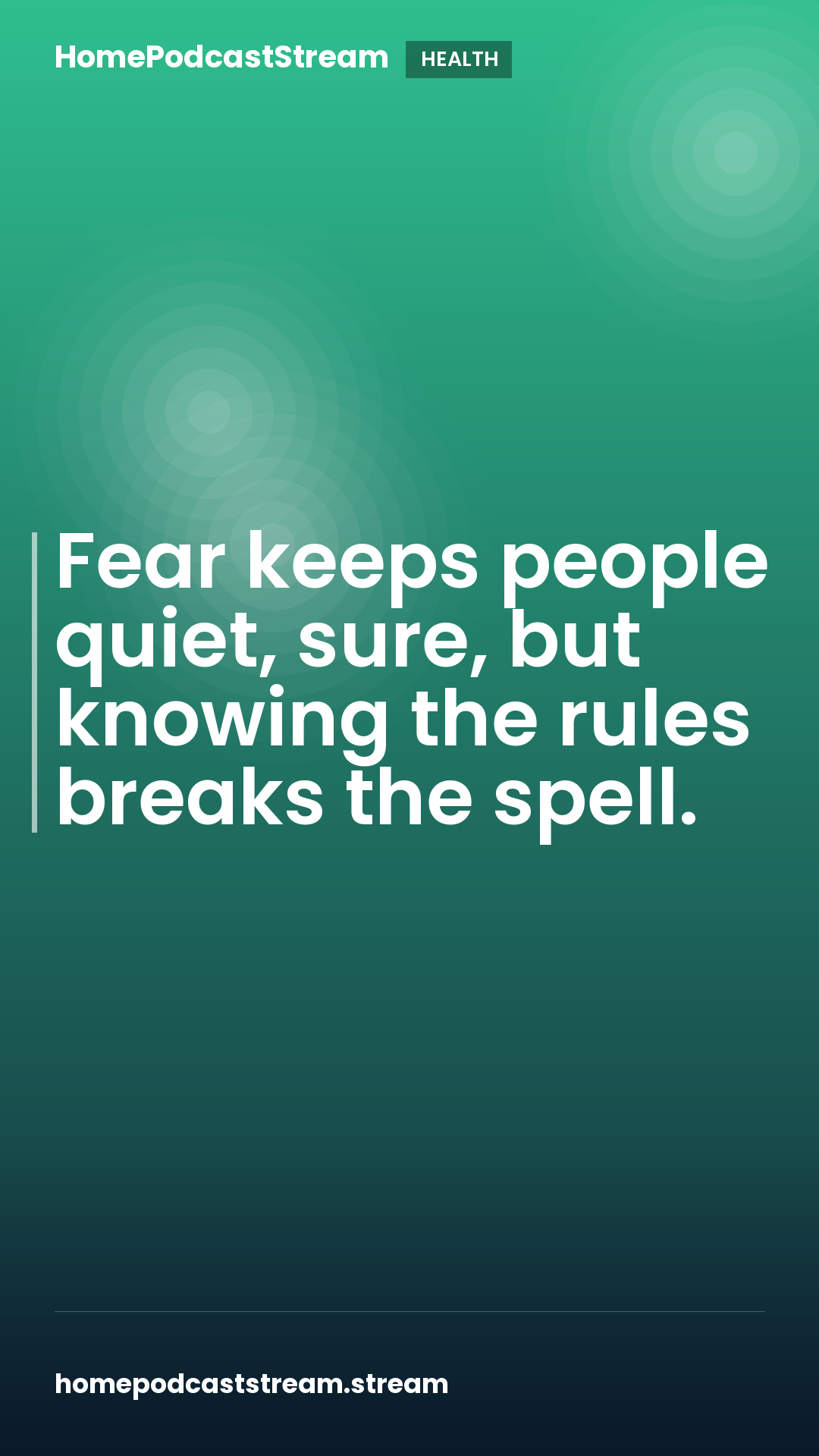
SullyFear keeps people quiet, sure, but knowing the rules breaks the spell. I’d tell her to walk in and demand the basics in writing. Getting a clear script lets you ask questions without feeling rude. Silence just means the appointment dies again next year.
DotWriting things down turns a chat into a legal dispute before it even starts. She needs to feel safe enough to mention the hot flashes without fearing she’s wasting everyone’s time. Sometimes a kind “tell me more” works better than a bolded list of demands.
SullyA woman texts her GP after the visit, asking about those night sweats. No reply comes back by morning, so she sends another one. The clinic finally responds three days later with a generic link to a website. She closes her phone and doesn’t bring it up again. A kind word helps, but only if it leads to actual answers.
DotThree days of waiting kills the trust faster than any bad news ever could. If she gets that generic link again, she shouldn't stay silent—she needs to call the surgery directly and ask for a human, not a hyperlink. Empathy can’t survive on automated replies.
SullyCalling the surgery sounds easy in theory.
DotEasier said than done when you've been brushed off for weeks. I’d tell her to walk in and ask specifically what happens if the night sweats get worse, rather than waiting for another link. That one question opens the door.
SullyOne question won't fix three days of ignored texts.
DotOne question might land flat, but it stops the clock on the guessing game. I’d tell her to write down her symptoms first, then ask the nurse for a follow-up date before she leaves the building. That single piece of paper proves she asked and forces a response.
SullyProving you asked changes nothing if the system still ignores you. People need a written checklist to hand over, listing exactly which tests belong in menopause care. That document makes skipping steps obvious and hard to wave away. It fits best when empathy stalls out and facts are needed to push things forward. I'd tell her to keep that list taped inside her wallet.
DotTaping a list to a wallet feels like carrying a weapon into a coffee shop. I’d tell her to sit across from the doctor and just explain how the exhaustion has changed her week, letting the human connection do the hard work before any paperwork matters. That approach works best when the patient actually trusts the room enough to speak freely, proving that kindness isn’t just nice—it’s effective.
SullySitting across from the doctor doesn't work if the clinic spent three days ignoring texts. She needs to hand over that written symptom log before leaving the room so there is a paper trail they cannot discard. Kindness fails when the system prioritizes speed over actual answers.
Read next
Dialogues on the same topic
B.C. launches first-of-its-kind professorship in menopause research and education
The new menopause research professorship has sparked debate regarding whether institutional recognition improves patient care and access to treatment.
Also about: menopause · flashes
If this one stuck with you
A different subject, but the same kind of feeling
How would you feel about a partner who is delighted by your honesty, and who treats every request as a gift, and never as a demand, a test, or an inconvenience?
Relationships face challenges when open communication feels unsafe. View your partner’s response to your needs as acceptance, fostering deeper connection.
You send money quickly whenever I need something, but never offer affection or support - what's the exchange supposed to feel like on your side?
When financial support replaces emotional closeness, prioritizing your partner's feelings can build a stronger, deeper connection.
Your girlfriend mocked a fantasy you shared in a vulnerable moment, more times than you can count, and you've never brought up another one since — how much of your inner life did that one comment cost you?
Mocking comments erode relationship trust, causing vulnerability. Learn how to proactively ask your partner about their preferred conversation style.
Eugenie Accused of Snubbing Fergie After Report the Princess Is ‘Embarrassed’ by Her Mother—the Relationship Is ‘Fractured’
Reports suggest a strained relationship between Princess Eugenie and Fergie, possibly due to public perception and its impact.
Other dialogues in Health
India's HPV vaccination campaign hits one crore in 9 months; Gujarat, UP, and Andhra top the list
The HPV vaccination campaign in India has reached millions, but accessibility remains key. Ensure nearby clinics fit families' routines for successful uptake.
The Antiabortion Movement Is Already Preparing Its Next Attacks on Reproductive Rights
Recent antiabortion efforts are causing patient anxiety, so please confirm your clinic's reproductive healthcare access status immediately.
You claimed closeness was automatic, then you checked your phone seven times during dinner. How can I ask about that without making you feel defensive later?
Noticing frequent phone checks during a shared dinner can spark conversations that build understanding and strengthen relationships.
I caught you staring at him across the room, a ghost of a smile on your face. Who were you thinking about just then, and what were you remembering?
Mental drift happens in conversations; recognize it without guilt. Try pausing and letting your partner speak first to rebuild connection.
Akwa Ibom Pledges Sustained Investment in Menstrual Health Education for Girls, Women
State-funded menstrual health education may overlook emotional needs, so mothers can reassure girls and encourage open conversations about periods.
Diabetes Can Cause Infertility in Men: Know How High Blood Sugar Affects Male Fertility
Diabetes may impact male fertility, affecting sperm count due to diet and stress. Confirm the link with a semen analysis and A1C test first.