You've been the family's therapist for six years and nobody's asked how you are — when did you apply for that job?
 Sal
 Dana
In short
Family members treating a long-term therapist like furniture creates a profound failure of human connection and trust. This conversation compares teaching children to notice mood shifts with naming specific triggers to break cycles of emotional distance.
One idea raised: Name a specific chore that triggers resentment and let the other person choose how to help directly.
Thank you for the old jokes.
Lines worth sharing
Each one is a ready picture: share the link and it appears as a card in the feed, or save the image. Cards marked ▶ Video also come as a short clip with music: tap to watch, then save or share it.

Helps when: My family is in the way · I feel resentful or unseen
SalIs this really about the phrasing here, or is it the sheer exhaustion of being treated like furniture for half a decade?" Dana, "Why does nobody ask you anything at all after applying for a role like that?
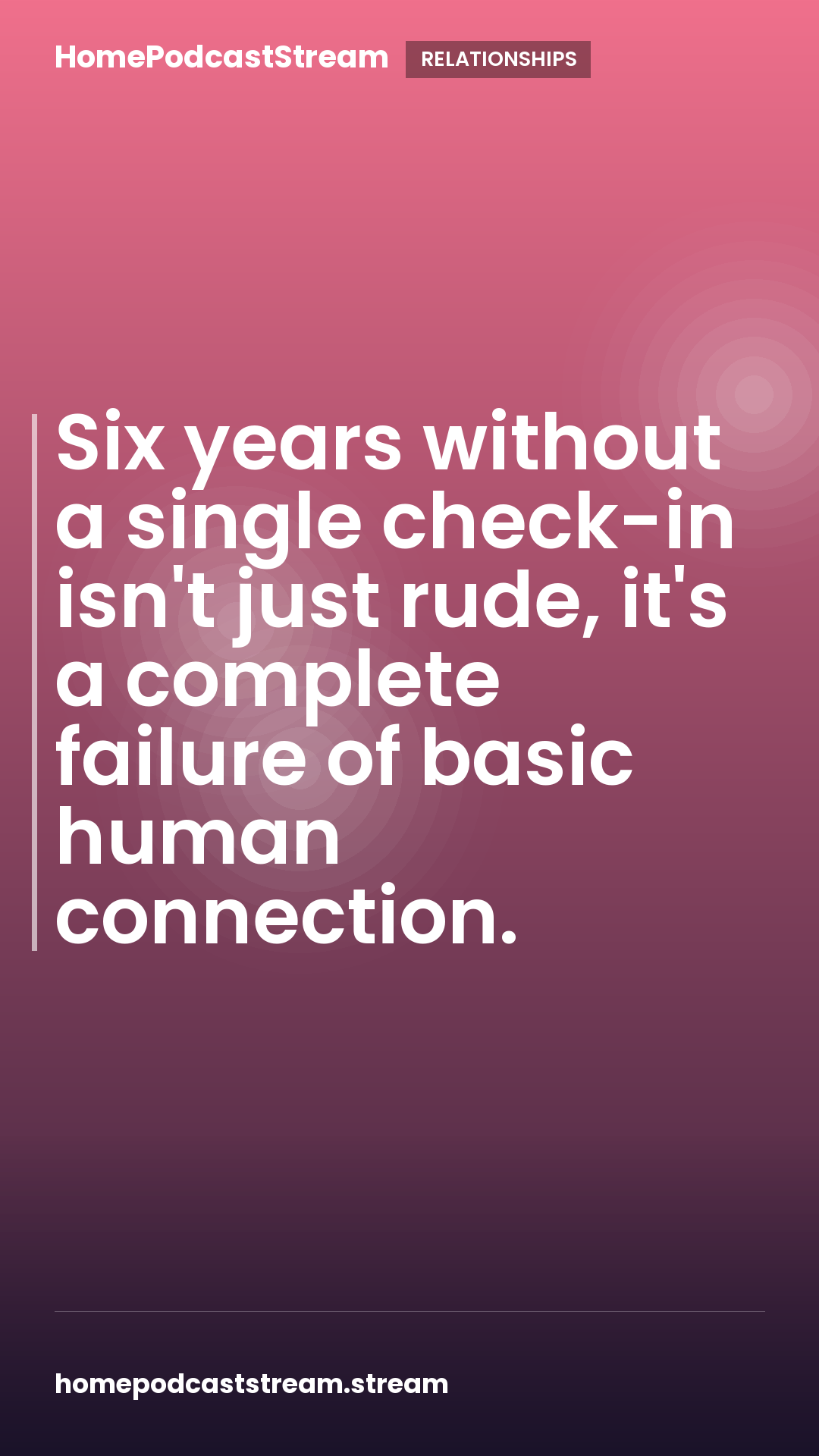
DanaSix years without a single check-in isn't just rude, it’s a complete failure of basic human connection. Think about the Tuesday afternoon she’s alone with her thoughts while everyone assumes she has infinite reserves. That silence does real damage to trust faster than any conflict ever could.
SalYou’re focusing on the emotional fallout, but that doesn’t fix the broken dynamic. The family needs to schedule mandatory, non-negotiable time where they actually listen. That structure removes the pressure of guessing who’s struggling.
DanaScheduling regular listening sessions treats the symptom, not the cause, because forced conversations often feel like another chore to endure rather than genuine care. What actually helps is teaching the kids how to notice small shifts in mood and ask simple, low-stakes questions without expecting immediate fixes. That kind of quiet attention builds the habit of checking in before anyone hits their breaking point.
SalTeaching the kids to spot moods works until the parents stop performing happiness in public. A woman celebrated her husband’s fiftieth birthday by hiding her resentment inside a perfectly wrapped gift box. He opened it, found a framed photo of their wedding day, and asked why she looked tired. She smiled and said the party planning had been exhausting. He didn’t press the issue, but he started sleeping in the guest room that night. The silence in that house got louder than any argument. Kids pick up on that distance long before they learn the right questions to ask.
DanaYour fifty-year-old husband example proves that adults will bury their fatigue under party plans unless someone breaks the script first. We need to teach families to swap performance for permission, specifically by letting them say "I'm running on empty" before the guest room becomes the default bedroom. Somewhere between the wrapped gift and the silent pillow, there's usually a very good reason to just talk.
SalSaying “I’m running on empty” backfires if the spouse responds by fixing dinner instead of asking why. Then the wife stops offering that honest line entirely, leaving the household to guess from the stack of laundry.
DanaWait, so we're stuck guessing again?
SalThe stack of laundry only gets sorted when one person asks what fits tonight. It starts with picking out the framed wedding photo and saying, "That looks heavy." One small question beats six years of guessing every time.
DanaThat one-line prompt only lands if the man actually holds space for the answer instead of rushing to reassure her that everything is fine. When he lets the weight stay on the table for thirty seconds before replying, she knows the door stayed open. That pause tells her whether she can bring up the exhaustion later without fear.
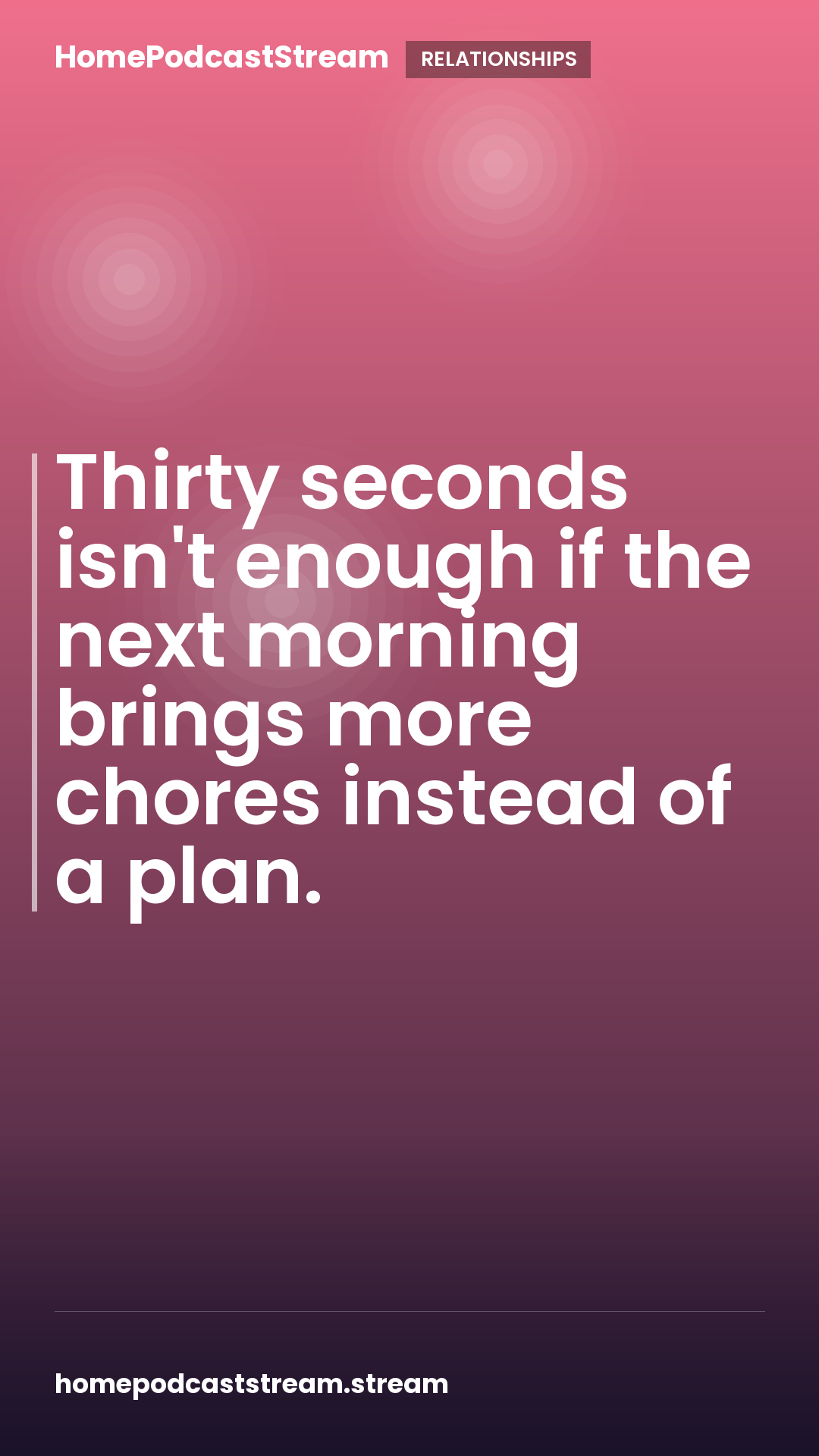
SalThirty seconds isn't enough if the next morning brings more chores instead of a plan. They agree to drop one weekly task each and spend that hour talking without phones. That shared rhythm keeps the door open longer than a single pause ever could.
DanaDropping one task per week fails if neither person feels safe admitting which one matters most to them. You have to name the specific chore that triggers the resentment, then let the other person choose how to help with it directly. That named choice turns the abstract hour into actual relief.
SalNaming the specific trigger leaves the real job undone. Six years of unasked-about therapy means the family forgot who hired the healer. Ask the therapist how they’re doing, and the cycle finally breaks.
Read next
Dialogues on the same topic
A Therapist Says Couples Should Ask These 5 Questions Before Marriage. TikTok Says, ‘Wait, You Haven’t Already?
Discussing finances before marriage can prevent issues, but approaches vary. Address money openly to build trust and avoid potential financial strain later.
You've never told anyone, including your physical therapist, that sex has been painful for eleven months — what exactly are you protecting by staying quiet?
Hiding chronic sexual pain creates barriers between partners. Seek medical clarity immediately to address physical damage and improve your intimate connection.
If this one stuck with you
A different subject, but the same kind of feeling
One Big Pride 2026 advances intersectional queer liberation, extends celebration into November
Extending Pride celebrations raises questions about visibility versus burnout, so try expressing, 'You don’t have to perform happiness for me'.
Your girlfriend refuses to even hear you out about a fantasy involving a stranger, shutting the conversation down more times than you can count before you finish a sentence — is that a boundary, or is that refusing to know you?
After six weeks of daily talks, check if avoiding fantasy discussions leads to tangible progress in the relationship's intimacy.
You feel more turned on reading or watching something alone than you have with your husband in eighteen months — is that a red flag about the relationship, or just an honest fact about your body?
Relationship desire differences happen; address unspoken anxieties and rebuild trust. Witnessing your partner's joy can ease tension and reassure them.
Manchester Leather Weekend Brings Leather, Fetish and Community Back to the Gay Village
The Manchester Leather Weekend's return sparked debate regarding LGBTQ+ visibility, and offers strategies for managing pressure and resetting.
Other dialogues in Relationships
Melania Makes Official Comment on Barron’s ‘Dangerous’ Dating Life as She Claims Multiple Women Are ‘in Love with’ Her Son
Examine Barron's dating life commentary and consider if expressions of concern truly support or subtly restrict a young adult's independence.
Your husband wants to move across the country for a job, twice in a decade without asking how you feel about leaving your life behind — is that ambition, or is that one-sided?
Frequent marriage relocation due to work can build resentment and erode connection. Observe whether he prioritizes travel or cherished, shared comforts.
The Traitors: New Blood’s Katie & Victor Finally Reveal if They’re Dating After the Show: ‘Let’s See…’
Katie and Victor’s connection demonstrates ways to approach relationships after filming, emphasizing direct communication and attentive responses.
Psychology says fathers often take the empty nest harder than mothers expect — they just show it in these 8 quieter ways
Empty nest syndrome affects fathers too, often subtly. Talking openly and seeking support can prevent quiet sadness from becoming a long-term issue.
The silence between us felt different after that party - more deliberate. How do you stop yourself from pulling away when things get too loud?
Distance in relationships can create silence and uncertainty, but daily check-ins offer a path forward. Asking 'How are you doing?' shows care.
Four days since we argued about boundaries, and you still sleep with your phone on the pillow. Who decides where those lines get redrawn now?
Prioritize connection over digital distractions—try saying ‘Your presence here beats every notification,’ especially when phones are nearby.